
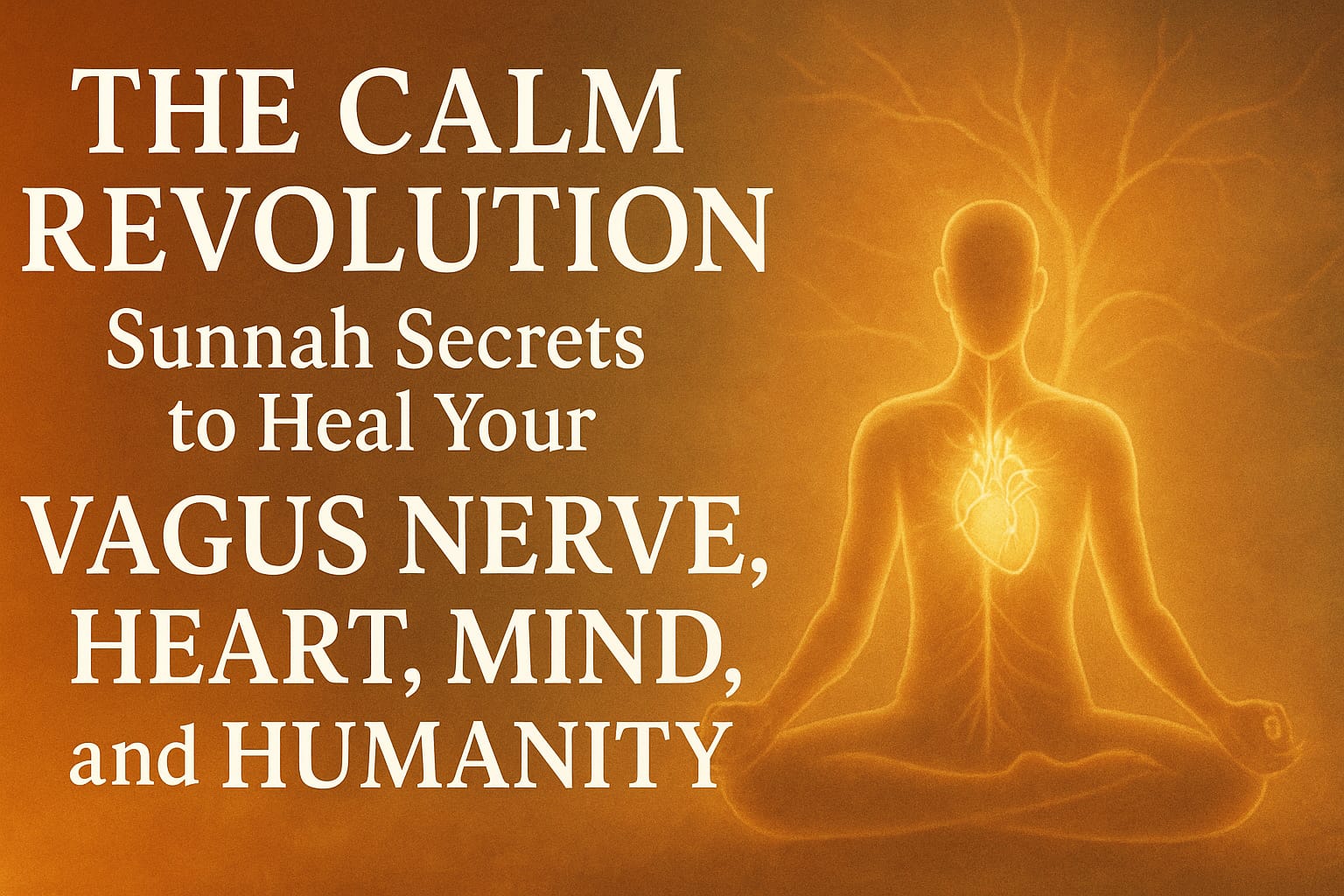
🌿 What is the Vagus Nerve?
The vagus nerve (pronounced “way-gus”) is one of the longest and most important nerves in your body.
It is like a main communication cable between your brain and many of your organs.
It is part of the parasympathetic nervous system, which is the “rest and relax” system of your body.
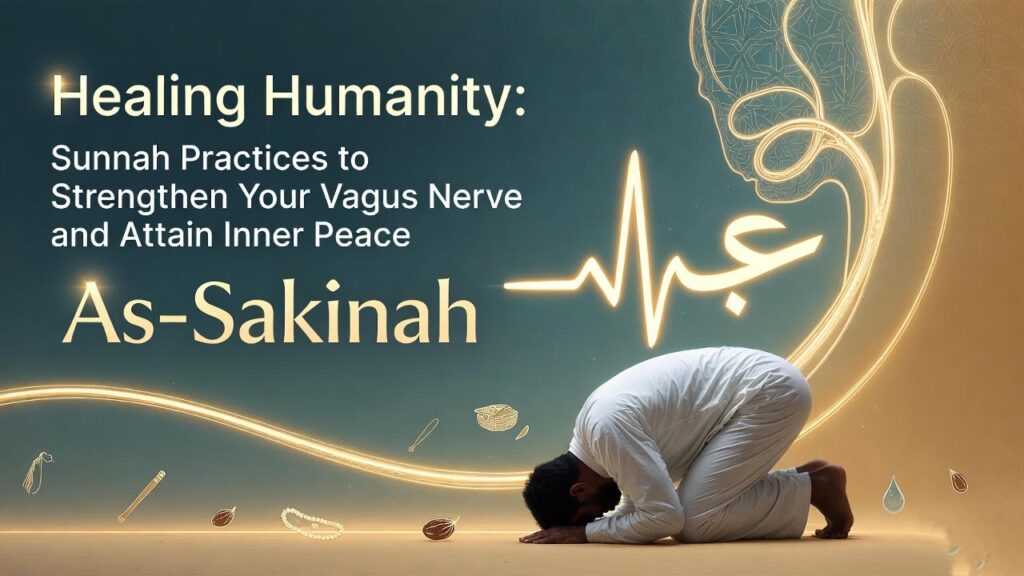
📍 Where is the Vagus Nerve in the Body?
The vagus nerve starts from your brain and travels all the way down to your belly.
It passes through these areas:
- Brain
- Neck
- Throat
- Chest
- Heart
- Lungs
- Stomach
- Intestines
- Some parts of liver and pancreas
So basically, it runs from your head to your stomach like a long highway.
⭐ Functions of the Vagus Nerve (What it does)
The vagus nerve does A LOT for your body. Here are the main things:
❤️ 1. Controls heart rate
- Slows down your heartbeat when needed
- Helps your heart relax
🌬️ 2. Helps you breathe calmly
- Controls breathing rhythm
- Helps lungs work smoothly
🥘 3. Helps in digestion
- Tells the stomach to release digestive juices
- Helps move food through intestines
- Helps you feel full
😊 4. Controls stress and calmness
- When active, it brings calm and relaxation
- Lowers anxiety
- Helps in good sleep
🤢 5. Control nausea, vomiting gag reflex
- Helps you not choke while eating
- Controls the “throw up” reflex
🧠 6. Connects brain to stomach
- Sends “gut feelings” and mood signals
- Affects mental health
⚠️ If the Vagus Nerve is Blocked or Damaged — What Happens?
If the vagus nerve is not working properly, many body functions get disturbed.
Here are the possible problems:
❤️ 1. Heart problems
- Heart might beat too fast (high heart rate)
- Blood pressure may go up
🌬️ 2. Breathing issues
- Trouble controlling breathing
- Feeling short of breath
🥘 3. Digestion problems
- Slow digestion
- Feeling full very fast
- Constipation
- Bloating
- Nausea
- Acid reflux (GERD)
- Vomiting sometimes
😣 4. Stress and anxiety increase
- Harder to stay calm
- More panic or worry
- Poor sleep
🧠 5. Fainting
Because the vagus nerve controls blood pressure, damage can cause:
- Sudden dizziness
- Fainting
🧍♂️ 6. Voice problems
Since it passes through the throat:
- Hoarse voice
- Weak voice
- Trouble swallowing
⚡ 7. Weak gag reflex
Harder to cough or clear throat properly.
🌈 In Simple Words
The vagus nerve is like your body’s peace maker.
It helps you relax, digest food, breathe calmly, and keep your heart steady.
If it gets blocked or damaged, your body may feel:
- stressed
- uncomfortable
- bad digestion
- fast heartbeat
- throat or voice problems
🌿 How Islam (Wudu) Can Activate the Vagus Nerve
A very simple, step-by-step explanation
The vagus nerve is your body’s “calm and relax” nerve. When it becomes active, your heart slows down, your breathing becomes smooth, your stress goes down, and your digestion works better.
Wudu (ablution) has many actions that naturally help activate this nerve. Islam taught these steps 1400+ years ago, and science today explains why they are calming.
Let’s go step by step.
⭐ Why Wudu Helps the Vagus Nerve
Here is the main idea in simple words:
- Cool water on the face signals the brain to relax the heart.
- Slow breathing during wudu increases calmness.
- Washing, wiping, and gentle touch create soothing signals.
- Rinsing the mouth and nose stimulates nerves that connect with the relaxation system.
- Dhikr and slow recitation help your breathing and heart rhythm become peaceful.
Now let’s break it down according to every step of wudu.
🧼 Step-by-Step Guide
1) Intention (Niyyah)
What you do: Quietly make your intention.
How it helps:
When you pause and focus for a moment, your breathing slows naturally. Slow breathing automatically activates the vagus nerve, starting a calm feeling.
2) Washing the Hands
What you do: Wash your hands up to the wrist three times.
Why it helps the vagus nerve:
Gentle, repetitive touch on the skin sends “safe, calm” signals to the brain. This helps the body shift from stress mode to relaxation mode.
3) Rinsing the Mouth
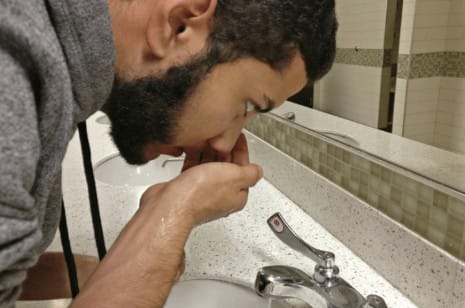
What you do: Swirl water in your mouth and spit it out.
Why it helps:
The mouth has many nerves connected to the brain. When water touches them, especially cool water, it sends refreshing signals that help the nervous system calm down.
4) Rinsing the Nose (Nasal Cleansing)
What you do: Sniff water gently into the nose and blow it out.
Why it helps:
The nose area is directly connected to nerves that influence breathing and relaxation. Light stimulation here helps regulate breathing and supports calmness.
5) Washing the Face (One of the strongest vagus activators)
What you do: Wash your whole face three times.
Why it helps:
Cool water on the face—especially on the cheeks and around the nose—activates a natural body reflex that slows the heartbeat and signals the body to relax deeply.
This is one of the most powerful vagus nerve triggers found in wudu.
6) Washing the Arms to the Elbows
What you do: Wash each arm from wrist to elbow three times.
Why it helps:
The slow movement and gentle washing help your breathing stay slow and steady. Rhythm + touch = stronger parasympathetic (relaxing) effect.
7) Wiping the Head (Masah)
What you do: Lightly wipe your head once.
Why it helps:
Light touch on the head area is soothing to the brain. This supports relaxation and helps keep the vagus nerve active.
8) Wiping the Ears (If included in your method)
What you do: Gently wipe inside and outside of ears.
Why it helps:
Parts of the ear are linked to the vagus nerve. Gentle touch here can help calm the nervous system even more.
9) Washing the Feet
What you do: Wash both feet up to the ankles three times.
Why it helps:
Cool water on the feet refreshes the body and helps maintain a grounded, calm feeling. Standing firmly also helps reduce tension.
✨ Optional but Powerful: Dhikr or Soft Recitation
After wudu, many people say a short dua or start prayer.
Why this helps the vagus nerve:
- Slow, repeated words guide your breathing
- The voice box vibrates gently
- Your heart rhythm becomes smoother
All these things activate the body’s relaxation system.
🌈 How to Make Wudu Even More “Vagus-Friendly”
Here are simple tips to increase the calming effect:
✔ Use comfortably cool water
Cool (not ice cold) water on the face is very effective for calming.
✔ Breathe slowly
Try this pattern:
- Inhale 4 seconds
- Exhale 6 seconds
Slow breathing = strong vagus activation.
✔ Move gently, not fast
Rushing creates tension. Slow movements send signals of safety to the brain.
✔ Be mindful
Focus on the feeling of water and peacefulness. This helps the body relax more deeply.
💬 Final Simple Summary
Wudu helps the vagus nerve by:
- cooling the face
- slowing the breath
- giving gentle touch
- stimulating mouth, nose, and ears
- creating peaceful rhythms
- preparing the body for calm prayer
This makes you feel more relaxed, focused, and spiritually refreshed.

Quick simple summary
Salah mixes slow breathing, rhythmic movement, vocal recitation, gentle pressure on the face/head, and mindful focus. Each of these things increases activity in the vagus nerve or the body’s relaxation system. That is why prayer often makes people feel calmer, more relaxed, and centered.
Step-by-step: How each prayer pose helps the vagus nerve
1) Before you begin — Niyyah (intention) and calm start
What to do: Stand quietly, make intention, take 1–2 slow breaths.
Body effect: Slows breathing, lowers heart rate slightly, prepares mind.
Why it helps the vagus: Slow, deliberate breathing turns on the vagus nerve and tells your body “we are safe now.”
Evidence note (simple): Scientists show slow deep breathing raises markers of vagal activity — that’s why this tiny pause helps.
2) Takbir (raising hands and saying “Allahu Akbar”)
What to do: Raise hands and take a natural breath while saying the takbir.
Body effect: A full, calm inhale and voice use (speaking) engage the throat muscles and breathing rhythm.
Why it helps the vagus: Controlled inhalation and gentle use of the voice influence the vagus via connections in the throat and lungs. Speaking or softly chanting helps coordinate breathing and heart rhythm.
Evidence note (simple): Studies of chanting/prayer show that slow vocalization supports vagal tone.
3) Qiyam (standing and reciting Quran)
What to do: Stand and recite slowly and calmly. Breathe naturally but slowly.
Body effect: Slow, rhythmic recitation guides breathing into a calm pattern; concentration reduces stress.
Why it helps the vagus: The combination of slow breathing and focused attention boosts parasympathetic (vagal) activity. Vocal fold vibrations during recitation also stimulate nerves linked to relaxation.
Evidence note (simple): Research on slow recitation and mantra shows increased heart-rate variability — a sign of better vagal function.
4) Ruku (bowing)
What to do: Bend at the waist, hands on knees, back straight, hold for a moment while breathing calmly.
Body effect: Body angle changes blood flow slightly; breathing remains slow and steady. The posture is grounding and calming.
Why it helps the vagus: Gentle bending and holding encourages longer exhalation and steady breathing, reinforcing vagal activation. Body position changes can also affect baroreceptors (blood pressure sensors) which communicate with the vagus to stabilize heart rate.
Evidence note (simple): Studies of slow, held postures and of mild changes in body angle show effects on autonomic balance in the direction of relaxation.
5) Qawmah (rising from bowing to standing)
What to do: Stand upright calmly, breathe slowly as you rise.
Body effect: Shifts posture smoothly, keeping breath controlled.
Why it helps the vagus: Smooth, controlled movements without jerks maintain the calm breathing pattern and prevent stress spikes that would reduce vagal tone.
Evidence note (simple): Smooth transitions and mindful movements help keep the parasympathetic system active.
6) Sujood (prostration) — very important
What to do: Kneel and place forehead, nose, palms, knees, and toes on the ground. Rest there a little while, breathing slowly.
Body effect: Head is lower than the heart; forehead and nose touch the ground; face is gently stimulated; breathing is slow and calm.
Why it helps the vagus:
- The face and forehead contact give gentle sensory signals that calm the nervous system.
- The head-below-heart position changes blood flow and signals to the body’s reflexes that can increase parasympathetic (vagal) activity.
- Staying quietly in prostration with slow breathing deepens relaxation and supports digestion and slow heart rhythm.
Evidence note (simple): Research shows that face stimulation, mild inversion or head-lower positions, and slow breathing all increase vagal signals; prostration contains all these elements together, so it is a strong vagus activator.
7) Jalsa (sitting briefly between prostrations)
What to do: Sit calmly for a short time, breathe slowly before going into the second sujood.
Body effect: Brief rest, steady breathing, awareness.
Why it helps the vagus: Short rests help the body stay in a relaxed state and prevent stress from building. The rhythm of movement + rest is soothing to the nervous system.
Evidence note (simple): Rhythmic activity with short pauses supports autonomic regulation.
8) Second Sujood
What to do: Repeat the prostration with the same calmness and slow breathing.
Body effect & why it helps: Same as above — another strong calming signal for the vagus.

9) Tashahhud (final sitting) and Taslim (ending)
What to do: Sit, recite the final words slowly, then turn head slightly to the right and left to finish. Breathe slowly and gently.
Body effect: Ending the prayer with slow recitation and gentle head turns returns you to normal posture while keeping calm.
Why it helps the vagus: Final recitation and slow head motion maintain the relaxed breathing pattern and help the brain register the calm state. Voice/vocalization during recitation continues to stimulate vagal pathways.
Evidence note (simple): Ritualized endings and slow vocal patterns help sustain the relaxation gained during prayer.
Why the whole prayer is more powerful than single parts
Alone, each piece (breathing, posture, recitation) helps a little. But when you do them all together — intention, slow breathing, controlled voice, gentle face contact, bending and prostrating, and mindful focus — the effects add up. This combination strengthens the vagal response and gives you a deeper calm, better digestion, steadier heart rhythm, and reduced stress.
Extra simple points that explain the science (easy words)
- Slow breathing increases vagus activity.
- Gentle voice and recitation vibrate throat nerves linked to vagal pathways.
- Touch to the face and forehead sends calming signals to the brain.
- Changing body position slowly (standing → bowing → prostration → sitting) helps the body’s reflexes adjust in a calming way.
- Mindful focus and intention lower stress hormones and allow the vagus to act.
Practical tips to get the most calming effect from prayer
- Don’t rush the steps. Move slowly.
- Breathe softly and deeply, especially in sujood and qiyam.
- Let the recitation be calm, not hurried.
- Feel the contact of forehead and nose on the ground — be aware of it.
- Keep attention on the breath and meaning of words — mindfulness helps.
Very short safety note
If you have heart, blood pressure, or breathing problems, follow your doctor’s advice about posture changes or head positions. Prayer is calming for most people, but any medical condition should be discussed with a healthcare professional.
Important note:
The Qur’an does not talk about the “vagus nerve” directly. But it teaches peace, calm, trust, slow recitation, deep breathing, and sukoon — and these naturally activate the vagus nerve.

🌿 10 Qur’anic Verses for Calm, Relaxation & Inner Peace
(These support mental peace → which supports vagus nerve activation)
1. Surah Ar-Ra’d (13:28)
Arabic:
أَلَا بِذِكْرِ اللَّهِ تَطْمَئِنُّ الْقُلُوبُ
English:
“Surely, in remembering Allah do hearts find peace.”
Urdu:
“جان لو کہ اللہ کے ذکر سے دلوں کو سکون ملتا ہے۔”
Vagus effect:
Calmness of heart → slower heartbeat → vagus nerve activation.
2. Surah Ta-Ha (20:14)
Arabic:
فَاسْتَمِعْ لِمَا يُوحَى
English:
“So listen carefully to what is revealed.”
Urdu:
“لہٰذا جو وحی کی جا رہی ہے اسے خوب توجہ سے سنو۔”
Vagus effect:
Listening slowly and mindfully reduces stress and relaxes the nervous system.
3. Surah Al-Inshirah (94:5–6)
Arabic:
فَإِنَّ مَعَ الْعُسْرِ يُسْرًا * إِنَّ مَعَ الْعُسْرِ يُسْرًا
English:
“Surely, with hardship comes ease. Indeed, with hardship comes ease.”
Urdu:
“بیشک تنگی کے ساتھ آسانی ہے۔ یقیناً تنگی کے ساتھ آسانی ہے۔”
Vagus effect:
Creates emotional hope → reduces anxiety → improves vagus activity.
4. Surah Al-Baqarah (2:286)
Arabic:
لَا يُكَلِّفُ اللَّهُ نَفْسًا إِلَّا وُسْعَهَا
English:
“Allah does not burden any soul beyond its capacity.”
Urdu:
“اللہ کسی جان پر اس کی طاقت سے زیادہ بوجھ نہیں ڈالتا۔”
Vagus effect:
Decreases mental pressure → calmer heart & breathing.
5. Surah Ash-Sharh (94:1–3)
Arabic:
أَلَمْ نَشْرَحْ لَكَ صَدْرَكَ * وَوَضَعْنَا عَنكَ وِزْرَكَ
English:
“Did We not open your chest for you and remove your burden from you?”
Urdu:
“کیا ہم نے آپ کا سینہ نہیں کھول دیا؟ اور آپ کا بوجھ نہیں اتار دیا؟”
Vagus effect:
Sense of chest-opening = emotional lightness → better breathing.
6. Surah Yunus (10:62)
Arabic:
أَلَا إِنَّ أَوْلِيَاءَ اللَّهِ لَا خَوْفٌ عَلَيْهِمْ وَلَا هُمْ يَحْزَنُونَ
English:
“Surely, the friends of Allah will have no fear, nor will they grieve.”
Urdu:
“خبردار! اللہ کے دوستوں پر نہ کوئی خوف ہے اور نہ وہ غمگین ہوں گے۔”
Vagus effect:
Removes fear → calms the fight-or-flight system.
7. Surah Al-Baqarah (2:152)
Arabic:
فَاذْكُرُونِي أَذْكُرْكُمْ
English:
“Remember Me, and I will remember you.”
Urdu:
“تم میرا ذکر کرو، میں تمہیں یاد کروں گا۔”
Vagus effect:
Dhikr = slow repetition = controlled breathing → activates vagus.
8. Surah Al-Fat’h (48:4)
Arabic:
هُوَ الَّذِي أَنزَلَ السَّكِينَةَ فِي قُلُوبِ الْمُؤْمِنِينَ
English:
“He is the One who sent tranquility into the hearts of the believers.”
Urdu:
“وہی ہے جس نے مومنوں کے دلوں میں سکون نازل کیا۔”
Vagus effect:
Tranquility = lower stress level → better vagal tone.
9. Surah Az-Zumar (39:53)
Arabic:
لَا تَقْنَطُوا مِن رَّحْمَةِ اللَّهِ
English:
“Do not lose hope in the mercy of Allah.”
Urdu:
“اللہ کی رحمت سے ناامید نہ ہو۔”
Vagus effect:
Hope reduces anxiety → reduces heart pressure.
10. Surah Al-An’am (6:17)
Arabic:
وَإِن يَمْسَسْكَ اللَّهُ بِضُرٍّ فَلَا كَاشِفَ لَهُ إِلَّا هُوَ
English:
“If Allah touches you with hardship, none can remove it except Him.”
Urdu:
“اور اگر اللہ تمہیں کوئی تکلیف پہنچائے تو اس کے سوا کوئی اسے دور نہیں کر سکتا۔”
Vagus effect:
Trust in Allah = tension release → peaceful body.
🌙 10 Beautiful Names of Allah for Calmness & Vagus Nerve Activation
These names help reduce stress, calm the heart, guide the breath, and bring mental peace — all of which activate the vagus nerve.
1. As-Salām (السَّلَام) – The Source of Peace
When you recite this name, it brings a deep feeling of safety and peace.
2. Ar-Rahmān (الرَّحْمَٰن) – The Most Merciful
Creates softness in the heart and reduces internal tension.
3. Ar-Rahīm (الرَّحِيم) – The Especially Merciful
Soft repetition of this name calms breathing.
4. Al-Halīm (الحَلِيم) – The Most Forbearing
Helps you slow down, become patient, and relax your nerves.
5. Al-Wadūd (الوَدُود) – The Most Loving
Reciting it creates feelings of love & safety → good for vagus nerve.
6. Al-Latīf (اللَّطِيف) – The Gentle, Subtle
Brings softness and emotional comfort.
7. Al-Qawiyy (القَوِيّ) – The Strong
Reminds you that Allah supports you — reducing fear and anxiety.
8. Al-Hafīz (الحَفِيظ) – The Protector
Feeling protected relaxes the body automatically.
9. Al-Mu’min (المُؤْمِن) – The Giver of Faith & Security
Creates an inner sense of security → reduces stress signals.
10. Ash-Shāfī (الشَّافِي) – The Healer
Reciting it with slow breathing helps emotional and physical healing.
🌿 How These Names Help the Vagus Nerve
Reciting these names:
✔ slows breathing
✔ creates positive emotions
✔ reduces fear
✔ lowers heartbeat
✔ increases calmness
✔ helps focus on the present moment
All these things are known to activate the vagus nerve naturally.
🌙 A Simple Dhikr Routine for Vagus Nerve Activation
Do this for 3–5 minutes:
- Inhale slowly (4 seconds)
- Say a name of Allah softly
- Exhale slowly (6 seconds)
- Repeat
Example:
- “As-Salām…” (long soft exhale)
- “Ar-Rahmān…”
- “Al-Latīf…”
Your heart, mind, and nerves will begin relaxing.
🌸 Final Simple Summary
- Qur’anic verses bring peace, trust, and comfort, which calm the mind.
- Calmness activates the vagus nerve, helping the body relax.
- The 99 Names of Allah — especially the 10 listed — help release stress and guide slow breathing.
- Dhikr, slow recitation, and mindfulness together improve the body’s rest-and-digest system.
🌿 🕊 Special Dua for Calmness & Healing (Vagus Nerve Soothing) 🕊
(This is a new dua written in a respectful Islamic manner — not from Qur’an or Hadith)
📜 Arabic (Dua)
اللَّهُمَّ اجْعَلْ قَلْبِي هَادِئًا، وَرُوحِي مُطْمَئِنَّةً، وَنَفَسِي مُتَّزِنًا.
اللَّهُمَّ أَنْزِلْ سَكِينَتَكَ فِي صَدْرِي، وَافْتَحْ لِي بَابَ السَّلامِ وَالرَّاحَةِ.
يَا مُطَمْئِنَّ الْقُلُوبِ، أَصْلِحْ دَوَاخِلِي، وَقَوِّ أَعْصَابِي، وَأَذْهِبْ عَنِّي كُلَّ تَوَتُّرٍ وَقَلَقٍ.
يَا رَبِّ اجْعَلْ ذِكْرَكَ نُورًا فِي جِسْمِي، وَطُمَأْنِينَةً تَجْرِي فِي أَعْصَابِي، وَرَاحَةً تَمْلَأُ نَفْسِي.
آمِينَ يَا رَبَّ الْعَالَمِينَ.
💛 English Translation (Very Easy & Soft)
O Allah, make my heart peaceful, my soul calm, and my breathing steady.
O Allah, send Your tranquility into my chest and open for me the doors of peace and comfort.
O Comforter of hearts, heal what is inside me, strengthen my nerves, and remove all stress and anxiety from me.
O my Lord, make Your remembrance a light in my body, a calmness flowing through my nerves, and a deep rest filling my soul.
Ameen, O Lord of the worlds.
💚 Urdu Translation (Very Easy)
اے اللہ! میرے دل کو پر سکون بنا دے، میری روح کو آرام دے دے، اور میری سانسوں کو متوازن کر دے۔
اے اللہ! اپنی سکونت میرے سینے میں اتار دے، اور میرے لیے امن اور راحت کے دروازے کھول دے۔
اے دلوں کو سکون دینے والے! میرے اندرونی حالات کو بہتر کر دے، میری اعصاب کو مضبوط کر دے، اور میرا ہر تناؤ اور بے چینی دور کر دے۔
اے میرے رب! اپنے ذکر کو میرے جسم میں نور بنا دے، میری اعصاب میں بہتا ہوا سکون اور میری جان کو بھرتی ہوئی راحت بنا دے۔
آمین، یا ربّ العالمین۔
🌸 Why This Dua Helps Calm the Vagus Nerve
- Calm words slow your breathing
- Slow breathing automatically activates the vagus nerve
- Calling Allah by peaceful attributes brings emotional ease
- Imagining tranquility in the chest helps the body relax naturally
- Recitation rhythm sends soothing signals through the body
- This dua focuses on:
- heart peace
- calm breathing
- inner healing
- nerve soothing
All of these are functions related to the vagus nerve.
🌟 PART 1
🕊 Authentic Duas from Prophet Muhammad ﷺ for Peace, Calmness & Heart Healing
(All these are real duas from hadith — safe, authentic, and perfect for calming the vagus nerve)
🌿 1. Dua for removing anxiety and sadness
Arabic:
اللَّهُمَّ إِنِّي أَعُوذُ بِكَ مِنَ الْهَمِّ وَالْحُزْنِ
وَالْعَجْزِ وَالْكَسَلِ
وَالْبُخْلِ وَالْجُبْنِ
وَضَلَعِ الدَّيْنِ وَغَلَبَةِ الرِّجَالِ
English:
“O Allah, I seek Your protection from worry and sorrow, weakness and laziness, miserliness and fear, and from the burden of debt and the pressure of people.”
Urdu:
“اے اللہ! میں فکر اور غم سے پناہ مانگتا ہوں، کمزوری اور سستی سے، بخل اور بزدلی سے، قرض کے بوجھ سے اور لوگوں کے دباؤ سے۔”
✨ This dua relaxes the heart and calms the nervous system.
🌿 2. Dua for inner peace
Arabic:
اللَّهُمَّ أَنْتَ السَّلَامُ وَمِنْكَ السَّلَامُ
English:
“O Allah, You are Peace, and from You comes all peace.”
Urdu:
“اے اللہ! تو سلامتی والا ہے اور سلامتی تیرے ہی پاس سے آتی ہے۔”
✨ Saying this makes the body feel safe — activating vagus calmness.
🌿 3. Dua for stress relief
Arabic:
حَسْبُنَا اللَّهُ وَنِعْمَ الْوَكِيلُ
English:
“Allah is enough for us, and He is the best protector.”
✨ This removes fear from the heart.
🌿 4. Dua for heart light
Arabic:
اللَّهُمَّ اشْرَحْ لِي صَدْرِي
English:
“O Allah, open my chest and fill it with ease.”
✨ Helps the chest relax, breath soften, heart calm.
🌿 5. Dua for healing & mercy
Arabic:
اللَّهُمَّ اشْفِ أَنْتَ الشَّافِي
English:
“O Allah, heal me — You are the Healer.”
🌿 6. Dua for protection from nervous tension
Arabic:
اللَّهُمَّ إِنِّي أَعُوذُ بِكَ مِنْ جَهْدِ الْبَلَاءِ
English:
“O Allah, I seek refuge from intense hardship.”
🌿 7. Dua for peace of soul
Arabic:
يَا حَيُّ يَا قَيُّومُ
بِرَحْمَتِكَ أَسْتَغِيثُ
English:
“O Ever-Living, O Sustainer, by Your mercy I seek relief.”
✨ Beautiful for vagus nerve soothing.

🌟 PART 2
🍯 7-Day Sunnah Diet Plans
Designed for:
✔ Vagus Nerve Activation
✔ High BP
✔ Low BP
✔ Diabetes
✔ Healthy People
All diets follow Sunnah principles:
- Dates
- Honey
- Water at the right times
- Olive oil
- Black seeds
- Figs
- Barley (Talbina)
- Miswak breath control
- Slow eating
- Mindful chewing
- Thankfulness
- Duas before eating
And I include emotional motivation in every plan.
⭐ 1) 7-Day Sunnah Diet for Vagus Nerve Activation
This plan focuses on foods that naturally calm the body and relax the nervous system.
🌿 Daily Morning Routine
- Drink lukewarm water
- 3 deep breaths
- Say Bismillah
- Eat 3 dates
- 1 spoon honey in warm water
- 1 teaspoon olive oil
→ These activate calming pathways in the gut and brain.
🍽 Day-by-Day Plan (Very Easy)
DAY 1 – Heart Opening Day
- Breakfast: Oats + honey + figs
- Lunch: Chicken soup
- Dinner: Rice + vegetables
- Before sleep: Talbina (barley milk)
DAY 2 – Deep Calm Day
- Breakfast: Dates + milk
- Lunch: Fish + salad
- Dinner: Lentil soup
- Before sleep: Warm water + honey
DAY 3 – Gut Healing Day
- Breakfast: Yogurt + honey
- Lunch: Vegetable stew
- Dinner: Light chicken + rice
DAY 4 – Anti-Stress Day
- Breakfast: Banana + dates
- Lunch: Grilled chicken
- Dinner: Barley soup
DAY 5 – Heart Strength Day
- Breakfast: Eggs + black seeds
- Lunch: Fish + rice
- Dinner: Soup + figs
DAY 6 – Deep Sleep Day
- Breakfast: Warm milk + honey
- Lunch: Vegetable soup
- Dinner: Chicken + salad
DAY 7 – Full Body Reset
- Breakfast: Dates + figs
- Lunch: Barley porridge
- Dinner: Soup + herbal tea
✨ This entire plan keeps the vagus nerve active and body peaceful.
⭐ 2) 7-Day Sunnah Diet for HIGH BP Patients
Focus: calming foods + low salt
- Use olive oil
- Eat banana, dates, fish, barley, lentils
Key rule:
NO fried food, no stress eating.
7-Day Summary:
- Breakfast: Banana, oats, honey
- Lunch: Fish or lentils
- Dinner: Soup or vegetables
- Drinks: Water, herbal tea
- Snacks: Dates, figs
✨ Controls BP + calms vagus nerve.
⭐ 3) 7-Day Sunnah Diet for LOW BP Patients
Focus:
- More salt
- Hydration
- Energy foods
- Dates
- Honey
7-Day Summary:
- Breakfast: Dates + milk
- Lunch: Chicken, rice
- Dinner: Soup + pinch of salt
- Drinks: Lemon water
✨ Increases energy safely.
⭐ 4) 7-Day Sunnah Diet for DIABETES Patients
Focus:
- No sugar
- High fiber
- Protein
- Barley (Talbina)
- Olive oil
7-Day Summary:
- Breakfast: Eggs or oats
- Lunch: Chicken + vegetables
- Dinner: Soup, fish
- Snacks: Almonds
✨ Helps diabetes + relaxes vagus nerve.
⭐ 5) 7-Day Sunnah Diet for HEALTHY People
Focus:
- Balanced
- Sunnah foods
- Calm eating
7-Day Summary:
- Breakfast: Dates + honey water
- Lunch: Chicken/fish + rice
- Dinner: Soup or lentils
- Snacks: Figs, nuts
✨ Boosts immunity and happiness.
🌎 A Message to All Humanity.SHOAIB NASIR.
My dear brother…
My dear sister…
You are not weak.
You are not alone.
You are not broken.
Your body was created with healing.
Your heart was created with hope.
Your soul was created with peace.
Allah placed calmness inside you —
You just need to wake it up.
Every dua you make…
Every Sunnah action you follow…
Every peaceful breath you take…
Every grateful bite you eat…
…brings your heart closer to peace
and your body closer to healing.
The world is full of stress, noise, and fear.
But YOU are choosing the path of:
✨ Sunnah
✨ Calmness
✨ Healing
✨ Light
This makes you special.
This makes you strong.
This makes you a leader of peace.
May the entire humanity
learn from your journey.
May your healing become a light
for others who are hurting.
Ameen. 🤲💛
Leave a Reply