
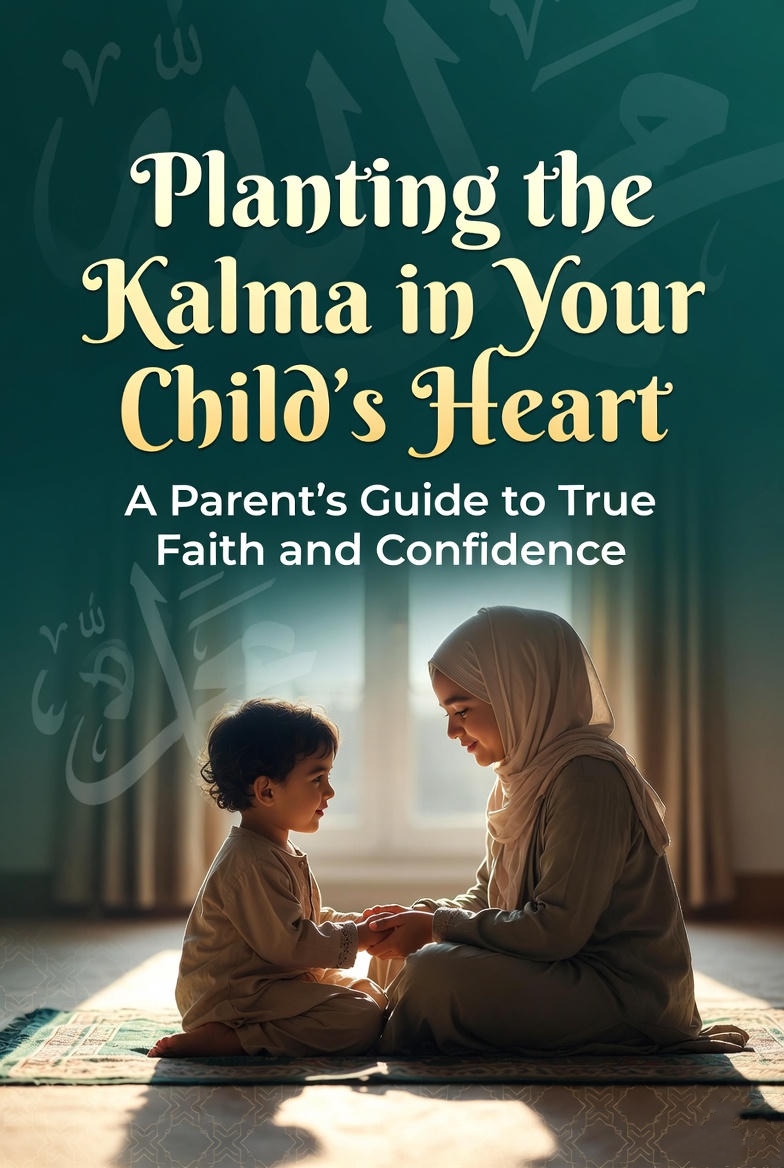
How to Help Children Truly Feel the Kalma in Their Hearts: The Ultimate Guide for Parents Worldwide
Children are pure, sensitive, and full of potential. Their hearts are soft like clay, ready to be molded with love, guidance, and patience. Every parent dreams of raising children who are confident, kind, morally strong, and spiritually aware. But one of the greatest challenges is teaching children faith in a way that truly enters their hearts.
For Muslim children, this means helping them internalize the Kalma — “La ilaha illallah Muhammadur Rasulullah” — in their hearts, not just memorize the words. But the lessons here are universal: all parents, regardless of religion, can learn how to nurture moral strength, emotional intelligence, and inner peace in their children.
This guide combines Prophet Muhammad’s (S.A.W) teachings, modern psychology, and practical steps to help children internalize faith, values, and goodness in their daily lives.

1. Understanding the Child’s Heart
A child’s heart is delicate, like soft clay. It absorbs everything: words, actions, and emotions from parents, teachers, and peers. When a child feels safe, loved, and heard, their heart opens. When they experience harshness, neglect, or criticism, their heart closes.
Signs a child’s heart may not be open:
- Frequent irritability or anger
- Shyness or withdrawal
- Fear of trying new things
- Low self-esteem or lack of confidence
Practical Steps for Parents and Teachers:
- Speak gently, even during correction
- Listen actively and repeat what they express to show understanding
- Offer hugs and physical reassurance
- Encourage acts of kindness, no matter how small
- Praise effort, not only results
When children feel emotionally safe, they are ready to internalize the Kalma and let it guide their hearts naturally.
Story Example:
A little boy named Ahmed was always anxious about making mistakes. His parents used to scold him for small errors. When they began listening patiently, praising his efforts, and guiding him with love, Ahmed started feeling safe. He began repeating the Kalma not just as words, but with confidence and trust in Allah, showing patience and kindness at school and home.
2. From Memorization to Heartfelt Understanding
Memorizing the Kalma is the first step, but faith is more than repetition. True faith enters the heart, shaping thoughts, actions, and character.
Steps to Internalize the Kalma:
Step 1: Explain the Meaning Simply
- “La ilaha illallah” — There is no one worthy of worship except Allah.
- “Muhammadur Rasulullah” — Prophet Muhammad (S.A.W) is the messenger of Allah, guiding us to live righteously.
- Use simple, relatable examples: trust in Allah, honesty, patience, helping others.
Step 2: Connect Kalma to Daily Life
- Helping others is a reflection of faith
- Patience in challenges mirrors reliance on Allah
- Honesty in words and actions shows belief
- Sharing and kindness make faith practical
Step 3: Use Storytelling
Children remember stories more than abstract lessons. Tell stories of Prophet Muhammad (S.A.W) demonstrating:
- Generosity: sharing food, helping the poor
- Honesty: keeping promises even when difficult
- Patience: responding kindly despite hardship
- Courage: standing for truth and justice
Step 4: Model the Kalma
Children learn more from what they see than hear. When parents show patience, honesty, and compassion, children see the Kalma in action.
Step 5: Recite with Focus and Love
Recite the Kalma together during calm moments: bedtime, before school, or after prayer. Encourage children to feel the meaning, not just recite words.
Story Example:
A girl named Amina memorized the Kalma at age 5 but did not understand it. Her mother started explaining it through small daily examples: when Amina helped a friend, her mother said, “This is how we live the Kalma.” Over time, Amina began smiling while reciting the Kalma and acting kindly, showing it was truly in her heart.
3. Healing Emotional Wounds
A child cannot fully internalize the Kalma if their heart is wounded. Emotional wounds block understanding and faith. These wounds may come from:
- Harsh words or criticism
- Pressure to succeed
- Bullying or exclusion
- Family stress
Signs of Emotional Wounds:
- Withdrawal or shyness
- Anxiety or fear
- Aggression or irritability
- Feeling “not good enough”
Steps to Heal Emotional Wounds:
- Speak gently every day
- Give hugs and physical reassurance
- Listen patiently without judgment
- Validate feelings: “I see you are sad, that’s okay”
- Apologize and repair mistakes when adults err
- Celebrate small achievements
- Provide safe spaces for self-expression
Psychology Insight: Children who feel loved and emotionally safe develop stronger resilience, self-esteem, and moral understanding. Healing opens their hearts to feel the Kalma deeply.
Story Example:
A boy named Sami often felt unloved because of constant scolding. His teacher started praising small efforts and listening carefully. Sami gradually became calmer, prayed with attention, and recited the Kalma with understanding, showing kindness and patience toward his friends.
4. Daily Practices to Help Children Feel the Kalma
Morning:
- Recite Kalma together with meaning
- Share a dua or blessing
- Give a hug and encourage a positive start
Daytime:
- Encourage honesty, patience, and acts of kindness
- Ask gently about feelings and listen
- Guide moral decisions
Evening:
- Reflect on the day, praising effort and good behavior
- Share a story of Prophet Muhammad (S.A.W) showing the Kalma in action
- Correct mistakes gently
Before Sleep:
- Discuss blessings and gratitude
- Recite Kalma with focus on meaning
- Give final reassurance and hug
Weekly Practices:
- Storytelling emphasizing the Kalma
- Acts of service or kindness as a family
- Family gratitude circle
Monthly Practices:
- One-on-one discussions about understanding the Kalma
- Reflect on emotional and moral growth
- Introduce a new lesson inspired by the Kalma
Exercise Example:
Ask your child to draw a picture of a kind act they did that day. Discuss how it relates to the Kalma and living faith in daily life.
5. Teachers and Schools: Supporting Kalma in Children
Teachers and schools shape children’s hearts, behavior, and understanding of faith.
Practical Steps for Teachers:
- Greet students warmly
- Listen to feelings patiently
- Praise effort, honesty, and moral behavior
- Teach values alongside academics
- Correct mistakes privately
- Include short reflection moments daily
School Environment Tips:
- Promote respect, empathy, and teamwork
- Reward moral behavior, not only academic achievement
- Provide quiet areas for reflection or prayer
- Avoid public humiliation
Story Example:
A teacher noticed Fatima hesitated to share in class. By listening patiently, praising small successes, and encouraging reflection on the Kalma, Fatima gradually grew confident and started helping classmates, showing the Kalma in action.
6. Motivating Children of All Religions
Even parents of other faiths can use these principles:
- Children learn best by example — model honesty, patience, and kindness
- Teach values through daily actions and stories
- Emotional safety is essential before spiritual growth
- Consistency matters more than perfection
Motivational Insight: Children’s hearts are gardens. Water them with love, attention, and guidance. Seeds of faith, kindness, and compassion will grow into lifelong strength and peace.
7. Integrating the Kalma in Daily Life
Faith is action, reflection, and character, not just words. Show children:
- Honesty in actions
- Patience in challenges
- Kindness to everyone
- Helping without expecting rewards
- Gratitude and trust in God
Children internalize the Kalma when they see it lived in daily life, not only recited.
Story Example:
Hassan learned the Kalma but struggled with honesty. His father explained how truthfulness is part of the Kalma. Hassan practiced by admitting mistakes and helping friends honestly. Over time, the Kalma became a living guide in his heart.
8. Encouraging Reflection and Self-Awareness
Ask children reflective questions:
- “How did you show kindness today?”
- “When did you feel proud of yourself?”
- “How did trusting Allah help you today?”
Reflection strengthens understanding and allows faith to become part of the heart.
Exercise:
At the end of the week, let your child create a “Kalma Journal” to note acts of honesty, patience, or kindness. Discuss together how these connect to living the Kalma.
9. Final Motivation: Every Child Can Shine
Every child has the potential to be a light in the world. A child who feels the Kalma in their heart grows confident, compassionate, and spiritually aware. Such children influence families, communities, and society positively.
Parents and teachers: Your love, patience, and guidance plant seeds of faith and goodness. Every hug, kind word, and listening ear helps the Kalma take root.
Remember: Faith is felt, lived, and experienced, not just memorized. One child with faith in their heart can illuminate a family. One family can inspire a community. One community of children with faith can change the world.
Call to Action:
- Spend loving, quality time with your child
- Help them understand and feel the Kalma
- Encourage reflection, kindness, and patience
- Celebrate honesty, empathy, and moral courage
Every day counts. Every act of love and guidance strengthens faith. Your child’s heart can carry the light of the Kalma forever.
Leave a Reply