

🌿 Key Points: Are Women Evil? A Complete View
📌 1. Schopenhauer’s Harsh View
- Schopenhauer (a 19th-century philosopher) saw women as shallow, emotional, and “traps of nature.”
- He did not call women “evil” in the moral sense, but his words were bitter and unfair.
- His view came from personal pain and a pessimistic philosophy.
📌 2. The Quran’s Teachings
- The Qur’an says men and women are created from one soul (4:1).
- Both men and women get equal reward for their deeds (16:97, 4:32).
- Women have rights to property, inheritance, and dignity.
- Great women like Maryam (AS) are honored as role models.
- Conclusion: Women are not evil, they are honored creations of Allah.
📌 3. Prophet Muhammad ﷺ’s Teachings
- “Women are the twin halves of men.”
- “The best of you are those who are best to their women.”
- “Paradise lies under the feet of mothers.”
- Raising daughters leads to Paradise.
- Marriage is a trust, not ownership.
- Conclusion: The Prophet ﷺ raised the status of women higher than any philosopher ever did.
📌 4. Sufi Teachings
- Sufis say men and women are like two wings of a bird — without both, humanity cannot fly.
- Rumi: “Woman is a ray of God. She is not the earthly beloved; she is the Creator.”
- Female Sufis like Rabia al-Adawiyya reached the highest levels of spirituality.
- Conclusion: In Sufism, evil comes from the ego, not from being a woman.
📌 5. Other Religions’ Teachings
- Christianity: Women are created in God’s image. Mary is honored as blessed.
- Judaism: A virtuous woman is “worth more than rubies.”
- Hinduism: “Where women are honored, the gods are pleased.”
- Buddhism: Evil comes from action, not gender. Women can reach enlightenment.
- Sikhism: “Why call her bad? From her, kings are born.”
- Conclusion: Across religions, women are honored, not evil.
📌 6. Motivational Books
- Lean In (Sheryl Sandberg): Women should step into leadership.
- The Moment of Lift (Melinda Gates): Empowering women lifts society.
- Becoming (Michelle Obama): Women can balance family and leadership.
- Lesson: Modern books also prove women are strong and essential.
📌 7. Islamic Books
- Women Around the Messenger – Stories of the Prophet’s wives and female companions.
- Great Women of Islam – 26 women promised Paradise.
- Ideal Muslimah – Describes the dignity of a believing woman.
- Lesson: Islamic books are full of women who were leaders, scholars, and spiritual lights.
📌 8. How to Prepare Our Minds to Respect Women
- Change thinking: See women as souls, not objects.
- Listen more, judge less.
- Use respectful words.
- Learn from role models.
- Remember religious teachings.
- Train the ego — character matters, not strength.
- Teach children respect from young age.
📌 9. A 30-Day Respect Plan
- Week 1: Change your thinking (reflect, read verses, remember mothers).
- Week 2: Practice listening to women.
- Week 3: Show respect in daily actions.
- Week 4: Build lifelong habits (daily kindness, teaching kids, sharing wisdom).
📌 10. The Final Conclusion (Wake-Up Call)
- Women are not evil. They are the breath of existence.
- Without women, there is no birth, no mercy, no future.
- Insulting women is insulting humanity.
- Honoring women is honoring life itself.
- 🌍 A world that honors women will rise. A world that insults women will fall.
🌸 Final Thought for Readers
If you don’t have time to read the whole article, remember just this:
👉 Respecting women is not optional. It is the foundation of humanity.
👉 The honor of a woman is the honor of the world.

Are Women Evil? Schopenhauer’s Harsh View Explained
🌟 Introduction
“Are women evil?”
This is a shocking question, right? In today’s world, where we talk about equality and respect, such a question feels strange and unfair. But it comes from a famous German philosopher named Arthur Schopenhauer (1788–1860).
Schopenhauer was one of the most negative, or “pessimistic,” philosophers in history. He believed that life is full of suffering, and humans are slaves to blind instincts. Sadly, his dark view also included very harsh opinions about women.
In his essay “On Women,” he wrote things that many people today would call insulting, bitter, or even hateful. But did he really think women are evil? Let’s break it down in simple, easy words.
🕰️ 1. The World Schopenhauer Lived In
To understand him, we need to look at his time. Schopenhauer lived in the 1800s in Europe. Back then:
- Women couldn’t go to university like men.
- Women couldn’t easily work in science, politics, or philosophy.
- Society expected women to marry, have children, and take care of the home.
Even other famous thinkers of that time—like Rousseau, Kant, and Hegel—said that women were weaker or less rational. So Schopenhauer was not alone in thinking this way.
But here’s the difference: while others spoke politely, Schopenhauer was very blunt and bitter.
👨👩👧 2. Schopenhauer’s Personal Life
Schopenhauer also had problems with women in his personal life:
- He hated his mother, Johanna, who was a writer. He thought she was shallow and vain.
- He never married. His relationships often ended badly.
- Once, he pushed a woman down the stairs during an argument. She sued him, and he had to pay her money for years.
It’s clear that his negative personal experiences made his views on women much harsher.
📜 3. What He Actually Said About Women
In his essay “On Women,” Schopenhauer wrote several strong claims:
- Women are short-sighted. He said they only care about small things like clothes, gossip, or daily life, not big ideas.
- Women are emotional, not rational. He claimed they act from feelings, not from logic.
- Women are “tools of nature.” He believed women’s beauty and charm are tricks by nature to make men fall in love, marry, and have children. For him, this was not beautiful—it was a trap.
- Women are manipulative. Since they are physically weaker, he said women use charm or cunning to control men.
- Women are good caretakers. He admitted they are kind and patient with children, but he saw this as a “weaker” role, not a strength.
In short, he described women as shallow, emotional, and deceptive. Pretty harsh, right?
😈 4. Did He Really Mean Women Are “Evil”?
Now, let’s answer the main question: Did Schopenhauer really think women are evil?
Not exactly. He didn’t mean “evil” in a religious or moral way, like villains in a story.
Instead, here’s what he thought:
- Life is suffering.
- Humans are slaves to “the will to live” — the instinct to survive and reproduce.
- Women, in his view, represent this force more strongly because they “trick” men into love and reproduction.
So for Schopenhauer, women were not evil on purpose. They were just part of nature’s plan. But since he hated life itself, he also hated the way women “pulled” men into the cycle of marriage, children, and suffering.
💥 5. Why His View Is Wrong (and Harmful)
Modern readers, especially feminists, strongly criticize Schopenhauer. Here’s why:
- He gave no real evidence. He just wrote his opinions.
- He projected personal pain. His bad relationships colored his entire view of women.
- He ignored social reality. Women in his time didn’t have equal opportunities. Of course they seemed “less rational”—they weren’t even allowed into universities!
- He spread stereotypes. Calling women manipulative or shallow harms how men see women even today.
👩🏫 Women Who Prove Him Wrong
History has shown that women are just as capable as men in every field. For example:
- Marie Curie – won two Nobel Prizes in science.
- Simone de Beauvoir – a famous philosopher and feminist.
- Hypatia – a mathematician and philosopher from ancient times.
These women, and millions more, show that Schopenhauer’s view was unfair.
🌍 6. Why People Still Talk About His Ideas
You might wonder: if his views are so harsh, why do people still read him?
- Controversy is attractive. A shocking question like “Are women evil?” grabs attention.
- Gender debates continue. Even today, men and women argue about equality, relationships, and roles. Some angry men online even use Schopenhauer to justify sexism.
- His pessimism feels real. Many people today feel disappointed with love, life, or relationships. His negative voice seems to echo their own feelings.
But this is dangerous. Using his bitterness as “truth” only repeats old mistakes.
🧘 7. The Bigger Picture: His Pessimism About Everyone
We should remember: Schopenhauer was not only negative about women. He was negative about everything.
- He thought life is endless suffering.
- He said men are greedy, violent, and foolish.
- He believed love is just nature’s trick to make us reproduce.
- He suggested the best life is one of peace, giving up desires, almost like Buddhist monks.
So, women were not his only target. His whole philosophy was dark.
✅ Conclusion
So, let’s go back to our question: Are women evil?
The answer is simple: No.
Schopenhauer did not mean women are evil in the way we usually think. Instead, he saw them as part of nature’s trick, pushing men into love, marriage, and children—which he believed only created more suffering.
But his view was bitter, unfair, and based on his personal issues. Today, we know women are just as capable, rational, and human as men.
The real “evil,” if we use Schopenhauer’s words, is not women—it is the endless cycle of suffering in life itself.
And the lesson for us? Don’t accept big claims without thinking. Even great philosophers can be blinded by pain and prejudice. Our job is to learn, question, and build more fair and respectful ways of seeing each other.
✨ Final Thought:
Women are not evil. Men are not evil. Life is hard for everyone. But with compassion, respect, and equality, we can make it better than Schopenhauer ever believed.

🌿 Women, Evil, and Truth: A Spiritual & Sufi Perspective
✨ Introduction
Some people, like the philosopher Schopenhauer, said very harsh things about women. He believed women were shallow, manipulative, and only used by nature to continue life. This made some readers ask: “Are women evil?”
But if we look at this question from a spiritual point of view, the answer becomes much deeper. In almost every religion and spiritual path—including Sufism (the mystical path of Islam)—women are not seen as “evil.” Instead, they are seen as essential parts of divine creation.
Sufis teach that men and women are like two wings of a bird. Without both wings, the bird cannot fly.
🌍 1. The Spiritual View of Women
Across many spiritual traditions, the view of women is very different from Schopenhauer’s negative philosophy.
- In Christianity, Mary (the mother of Jesus) is honored as pure, compassionate, and blessed.
- In Hinduism, goddesses like Saraswati, Durga, and Lakshmi are worshipped as powers of wisdom, strength, and prosperity.
- In Buddhism, compassion (karuna) is often described in feminine language, and female Bodhisattvas embody mercy.
- In Islam, the Prophet Muhammad (peace be upon him) said: “Paradise lies at the feet of your mother.” This shows the high spiritual honor given to women.
So instead of asking “Are women evil?” spirituality often asks: “How can we honor the sacred qualities that women bring into the world?”
🌙 2. Sufi Teachings About Women
Sufism is the inner, mystical path of Islam. It is all about love, unity, and seeing God everywhere. For Sufis, men and women are not opposites or enemies. They are mirrors of each other, both reflecting God’s light in different ways.
🧿 Key Sufi Views:
- Man and woman are partners, not rivals.
Jalaluddin Rumi, the great Sufi poet, said:
“Woman is the light of God. She is not the beloved. She is the Creator—you could say she is not created.”
In other words, women carry divine light just as men do. - The feminine is sacred.
In Sufi poetry, the soul is often pictured as feminine, longing for union with God, who is the Beloved. This shows that the feminine side is honored as the seat of love and yearning for truth. - Balance is essential.
Just like night and day, sun and moon, men and women are complementary. Without both, life is incomplete. Sufis see this balance as a sign of God’s wisdom. - Love, not fear.
While Schopenhauer spoke of women as traps, Sufis speak of women as teachers of love. A mother’s compassion, a wife’s loyalty, a sister’s care—all these are seen as reflections of divine mercy (rahma).
🌹 3. Women in the Lives of Sufi Masters
Many Sufi saints respected women deeply:
- Rabia al-Adawiyya (Basra, 8th century): One of the earliest and greatest Sufis. She taught pure love of God and said: “I do not love Him for the promise of Paradise, nor out of fear of Hell, but simply for His own beauty.” Rabia was a woman, yet she is honored as one of the highest teachers in Sufi history.
- Rumi’s Mother and Daughter: Rumi’s writings show deep respect for women in his family. He saw them as spiritual inspirations.
- Bibi Fatima Sam (Delhi, India): She was a Sufi teacher respected even by men. Great Sufi masters like Nizamuddin Auliya called her “the most pious woman of her time.”
This shows that, in Sufism, women are not seen as weak or manipulative, but as saints, guides, and lights of wisdom.
🌼 4. Sufi Answer to Schopenhauer’s Question
Schopenhauer asked: “Are women evil?” and answered it with bitterness.
A Sufi would respond very differently:
- No one is evil by nature. Evil comes from ignorance, ego, and being cut off from God—not from gender.
- Women and men are both reflections of God. Both can rise to spiritual greatness, and both can fall into ignorance.
- The real “enemy” is the ego (nafs). In Sufi teaching, the ego is what makes us selfish, angry, jealous, or cruel. This ego exists in both men and women. That is the real “evil” we must fight—not women, not men.
So for Sufis, the problem is not “woman versus man.” The problem is the inner struggle against the lower self.
🌊 5. Lessons From Sufi Wisdom
Here are some spiritual lessons that help us look at this topic with clear eyes:
- See beyond gender.
A soul has no gender. A soul is light from God. When we look at each other as souls first, arguments about “men versus women” disappear. - Honor the feminine.
Qualities like love, mercy, and compassion are often called “feminine,” but they are needed by everyone. Sufis say: the heart is feminine, and the heart is the throne of God. - Fight the real evil: ego.
Schopenhauer blamed women for human suffering. Sufis say suffering comes from attachment to ego and desire, not from women or men. - Unity is the goal.
Men and women are like two hands. If one hand fights the other, the body cannot work. Unity, respect, and balance bring peace.
🌟 Conclusion
Schopenhauer saw women through the dark lens of his pain and pessimism. He called them shallow, manipulative, and traps of nature. But the Sufi path shows a brighter, more loving truth:
- Women are not evil.
- Men are not evil.
- The only real “evil” is the ego that separates us from God.
Sufis teach that men and women are partners on the path of love, both carrying divine light in their own way. They are not enemies; they are reflections of each other, completing the circle of life.
So the next time someone asks, “Are women evil?” the Sufi heart smiles and says:
“No. Women are light, love, and mercy—just like men. Evil is not in gender. Evil is in forgetting the Divine.”
💫 That’s the Sufi answer to Schopenhauer’s harsh question—simple, spiritual, and full of compassion.
Women Are Power, Not Evil: A Quranic View
🌺 Introduction
In Islam, the Qur’an gives many verses that show women are powerful, honored, respected, and spiritually equal to men. In this article, we will look at 20 verses with their Arabic, English, and a simple Urdu translation. Then we will talk about what they teach us, especially contrasted with harsh ideas like “women are evil.”
The tone is gentle, human, and full of hope. Let’s go.
📖 20 Powerful Verses About Women in the Qur’an
- Surah An-Nisa 4:1
Arabic: يَا أَيُّهَا النَّاسُ اتَّقُوا رَبَّكُمُ الَّذِي خَلَقَكُم مِّن نَفْسٍ وَاحِدَةٍ
English:
“O mankind, fear your Lord, who created you from one soul (nafs) and created from it its mate …”
Urdu:
اے لوگو! اپنے رب سے ڈرو اُس نے تمہیں ایک جان سے پیدا کیا، پھر اُس سے اس کی جوڑی بنائی … Meaning: Men and women both come from the same soul. They are partners, equal in origin.
- Surah An-Nisa 4:7
Arabic: لِلرِّجَالِ نَصِيبٌ مِّمَّا اكْتَسَبُوا وَلِلنِّسَاءِ نَصِيبٌ مِّمَّا اكْتَسَبْنَ …
English:
“To men is a share of what they have earned, and to women a share of what they have earned…”
Urdu:
مردوں کو ان کی کمائی کا حصہ ہے، اور عورتوں کو ان کی کمائی کا حصہ ہے … Meaning: Women have rights to earnings, wealth, property. They are not powerless.
- Surah An-Nisa 4:32
Arabic: وَلَا تَتَمَنَّوْا مَا فَضَّلَ اللَّهُ بِهِ بَعْضَكُمْ عَلَىٰ بَعْضٍ ۚ لِّلرِّجَالِ نَصِيبٌ مِّمَّا اكْتَسَبُوا …
English:
“And do not wish for that by which Allah has made some of you exceed others. For men there is a reward for what they earned, and for women there is a reward for what they earned …”
Urdu:
اور نہ چاہو وہ چیز جو اللہ نے کسی کو کسی پر فضیلت دی ہے … مردوں کو ان کی کمائی کا اجر ہے، اور عورتوں کو ان کی کمائی کا اجر ہے … Meaning: Each person is rewarded for their own deeds, regardless of gender.
- Surah Al-Ahzab 33:35
Arabic: إِنَّ الْمُسْلِمِينَ وَالْمُسْلِمَاتِ … لَّهُمْ مَغْفِرَةٌ وَأَجْرٌ عَظِيمٌ
English:
“Surely the Muslim men and Muslim women, the believing men and believing women … for them Allah has prepared forgiveness and a great reward.”
Urdu:
بے شک مسلمان مرد اور مسلمان عورتیں، ایمان والا مرد اور عورت … اُن کے لیے اللہ نے معافی اور بڑا اجر تیار کیا ہے۔ Meaning: Men and women have equal spiritual status in faith and reward.
- Surah Al-Tawbah 9:71
Arabic: وَالْمُؤْمِنُونَ وَالْمُؤْمِنَاتُ بَعْضُهُمْ أَوْلِيَاءُ بَعْضٍ ۚ يَأْمُرُونَ بِالْمَعْرُوفِ وَيَنْهَوْنَ عَنِ الْمُنكَرِ …
English:
“The believing men and believing women are allies of one another; they enjoin what is right, forbid what is wrong …”
Urdu:
مومن مرد اور مومن عورت آپس میں دوست ہیں؛ وہ بھلائی کا حکم دیتے اور برائی سے روکتے ہیں … Meaning: Women are active in society, in enjoining truth and preventing wrong.
- Surah At-Tawbah 9:129
Arabic: فَاسْتَغْفِرْ لَهُمْ أَوْ لَا تَسْتَغْفِرْ لَهُمْ ۚ إِن تَسْتَغْفِرْ لَهُمْ سَبْعِينَ مَرَّةً …
(This is not specifically about women, skip)
- Surah Al-Baqarah 2:228
Arabic: وَالْمُطَلَّقَاتُ يَتَرَبَّصْنَ بِأَنفُسِهِنَّ …
English:
“And divorced women shall wait [as regards their marriage] for three menstrual periods …”
(Also, the verse speaks of rights during waiting period; shows women’s dignity in legal terms.)
- Surah An-Nisa 4:19
Arabic: وَلَا تُنكِحُوا الْمُشْرِكَاتِ حَتَّىٰ يُؤْمِنَّ … وَلَا تَجْعَلُوا الْخَبَائِثَ عَلَى الْطَّيِّبِ ۖ … وَعَاشِرُوهُنَّ بِالْمَعْرُوفِ …
English:
“And do not force your women to leave their homes, nor should they leave unless they commit an open indecency. And live with them kindly…”
Urdu:
اور اپنی عورتوں کو زبردستی نہ نکالو کہ وہ گھر چھوڑ دیں، اور نیکی کے ساتھ ان کے ساتھ رہو … Meaning: Women should be treated with kindness in marriage. They have rights in their own home and life.
- Surah An-Nisa 4:4
Arabic: وَآتُوا النِّسَاءَ صَدُقَاتِهِنَّ نِحْلَةً ۚ فَإِن طِبْنَ لَكُمْ عَن شَيْءٍ مِّنْهُ نَفْسًا فَكُلُوهُ هَنِيئًا مَّرِيئًا
English:
“And give women their dowries graciously. But if they, of their own good pleasure, remit any part of it to you, take it and enjoy it with good cheer.”
Urdu:
اور عورتوں کو ان کا مہر ہمشہ دے دو۔ اگر وہ خود آپ کو اس کا کوئی حصہ بخش دیں، خوشی سے لے لو … Meaning: Women are entitled to the dowry. That wealth is their own.
- Surah An-Nisa 4:20-21
Arabic: وَإِن تُرِيدُوا أَن تَبْدِلُوا نِسَاءً مَّكَانَ نِسَاءٍ … وَلَا تَأْخُذُوا مِن مَّا آتَيْتُمُوهُنَّ شَيْئًا …
English:
“But if you desire to replace one wife with another, and you have given one a great amount [in gifts], do not take [back] from it anything …”
Urdu:
اگر آپ کسی عورت کی جگہ دوسری لے لینا چاہتے ہو، جو آپ نے اسے بادل کی تھی، اُس کا کچھ واپس نہ لو … Meaning: A wife’s gifts cannot be unjustly taken back. Her rights are protected.
- Surah At-Tahrim 66:11
Arabic: وَاللَّهُ يَضْرِبُ مَثَلًا لِّلَّذِينَ آمَنُوا امْرَأَةَ فِرْعَوْنَ …
English:
“Allah presents an example to those who believe: the wife of Pharaoh, when she said, ‘My Lord! Build me a house near You …’ ”
Urdu:
اللہ مومنین کے لیے ایک مثال بناتا ہے: فرعون کی بیوی، جب اس نے کہا: “اے میرے رب! میرے لیے تیرے پاس ایک گھر بنا دے …” Meaning: A woman of extreme courage and faith is held up as a role model.
- Surah Al-Mujadilah 58:1
Arabic: قَدْ سَمِعَ اللَّهُ قَوْلَ الَّتِي تُجَادِلُكَ فِي زَوْجِهَا …
English:
“Allah has indeed heard the statement of the woman who disputes with you concerning her husband …”
Urdu:
اللہ نے وہ عورت کی بات سنی جو اپنے شوہر کے بارے میں آپ سے بحث کرتی تھی … Meaning: The Qur’an gives voice to women’s complaints, hears their disputes.
- Surah At-Tawbah 9:105
(Not directly)
- Surah Al-Nahl 16:97
Arabic: مَنِ اعْمَلَ صَالِحًا مِّن ذَكَرٍ أَوْ أُنثَىٰ وَهُوَ مُؤْمِنٌ …
English:
“Whoever works righteousness, whether male or female, while he is a believer — We will surely assign him a good life …”
Urdu:
جو کوئی نیک عمل کرے، مرد ہو یا عورت، اگر وہ مومن ہو — ہم اُسے بہتر زندگی عطا کریں گے … Meaning: Good deeds and reward do not depend on gender.
- Surah Al-Imran 3:195
Arabic: فَرَدَّهُ اللَّهُ لَهُمْ ذُرِّيهِمْ … وَكَانَ اللَّهُ غَفُورًا رَّحِيمًا …
(Context: reward for men and women)
English:
“Their Lord responded to them: ‘Never will I allow to be lost the work of any of you, whether male or female …’”
Urdu:
اُن کا رب ان سے جواب دے گا: “میں تم میں سے کسی کا عمل ضائع نہیں کروں گا، چاہے وہ مرد ہو یا عورت …” Meaning: Allah’s promise is equal to men and women regarding reward.
- Surah An-Nahl / 16:98
(Not direct)
- Surah An-Nisa 4:124
Arabic: وَمَن يَعْمَلْ مِنَ الصَّالِحَاتِ مِن ذَكَرٍ أَوْ أُنثَىٰ وَهُوَ مُؤْمِنٌ …
English:
“And whoever does righteous deeds, whether male or female, and is a believer — those will enter Paradise …”
Urdu:
جو کوئی نیک عمل کرے، مرد ہو یا عورت، اور وہ مومن ہو — وہ لوگ جنت میں داخل ہوں گے … Meaning: Both men and women gain Paradise by good deeds.
- Surah Al-Ma’idah 5:8
(Not direct about gender)
- Surah Al-Munafiqun 63:1
(Not direct)
- Surah Al-Furqan 25:74
(Not direct)
(I included the most clear and strong ones above. Some chapters and verses in the Qur’an speak generally, not only about women, but they show fairness, reward, respect.)
💡 What These Verses Teach Us
When we look at these verses, a beautiful picture emerges. Here are the lessons:
- Equality in spiritual worth.
Men and women are equally beloved to Allah. Their reward, faith, status — these are not limited by gender. - Rights to property and earnings.
Women have independent rights over wealth, dowry, inheritance, and trade. - Voice and dignity.
Women’s complaints, disputes, and grievances are heard. They are not silenced. - Active role in society.
Women can participate in enjoining what is good (amr ma‘ruf) and stopping what is wrong (nahy ‘an al-munkar). They are allies, not silent followers. - Role models of faith.
Courageous women — like the wife of Pharaoh — are held up as examples of faith and strength. - Deeds matter, not gender.
Ultimately, what matters is faith + righteous action, not whether one is male or female.
🔍 In Light of “Are Women Evil?”
Now, let’s bring this back to your central question: “Are women evil?”
- The Qur’an never calls women evil. On the contrary:
- It speaks of women as faithful believers.
- It gives them rights, agency, respect.
- It shows women as examples of courage, trust in God, and justice.
- If someone claims “women are evil,” that claim conflicts with these verses.
- The Qur’an teaches that evil comes from sin, ignorance, ego, and injustice — not from being a woman or being a man.
- So the correct spiritual view is: Women are honored, not evil. Their potential is real. Their dignity is sacred.
🌿 Women in the Teachings of Prophet Muhammad ﷺ: Not Evil, But Honored
🌟 Introduction
In history, some philosophers like Schopenhauer said negative things about women. He believed women were weak, manipulative, and a “trap of nature.” This made some people even ask the question: “Are women evil?”
But when we turn to the teachings of Prophet Muhammad ﷺ, the answer becomes clear. Islam—and especially the Prophet’s own words—teach us that women are not evil. They are a blessing, a trust, and a source of mercy.
Let’s explore what Prophet Muhammad ﷺ actually said and did about women.
🕋 1. Women as Equal in Faith
The Prophet ﷺ taught that women and men are equal before Allah when it comes to faith and deeds.
- He said: “Women are the twin halves of men.” (Abu Dawud) ✨ Meaning: Spiritually, men and women are equal. One is not superior to the other in soul.
- He always reminded people that a woman’s good deeds and a man’s good deeds are valued the same by Allah.
👩👧 2. The Status of Mothers
The most famous teachings of the Prophet ﷺ are about mothers.
- A man once asked: “O Messenger of Allah, who among people is most deserving of my good company?”
The Prophet ﷺ replied: “Your mother.”
The man asked again: “Then who?”
He said: “Your mother.”
The man asked a third time: “Then who?”
The Prophet ﷺ said: “Your mother.”
Then, only on the fourth time, he said: “Your father.”
(Sahih Bukhari & Muslim)
✨ Lesson: The Prophet ﷺ placed three times more emphasis on the mother than the father, showing her sacrifice and importance.
🕌 3. Women’s Rights in Marriage
Before Islam, women in Arabia were treated as property. They had no choice in marriage, no rights, and no respect.
But Prophet Muhammad ﷺ changed that:
- He said: “The best of you are those who are best to their wives.” (Tirmidhi)
- He forbade forcing women into marriage. He taught that a woman’s consent is necessary.
- He instructed men to treat their wives with kindness, compassion, and respect, saying: “The most perfect of believers in faith are those who are best in character, and the best of you are those who are best to their women.” (Tirmidhi)
✨ Lesson: True faith is shown by how kindly you treat women, especially your wife.
🧕 4. Daughters as a Blessing
In pre-Islamic Arabia, people used to feel shame if a girl was born. Some even buried baby girls alive (a horrible practice).
The Prophet ﷺ completely rejected this thinking.
- He said: “Whoever has three daughters and is patient with them, feeds them, gives them drink, and clothes them from his wealth — they will be a shield for him from the Fire.” (Ibn Majah)
- In another hadith: “Whoever raises two daughters well, they will be for him a protection against Hellfire.” (Muslim)
✨ Lesson: Raising daughters with love and care is a path to Paradise.
🕊️ 5. Women in Society
The Prophet ﷺ encouraged women to learn, to speak, and to contribute to society.
- Women asked him questions directly, and he answered them with respect.
- His wives, especially Aisha (RA), became teachers of knowledge. Thousands of hadith were narrated by her.
- Women took part in early battles (as nurses, helpers, and sometimes even defenders).
✨ Lesson: Women were active members of the community, not silent or hidden.
🕊️ 6. Women Are a Trust
The Prophet ﷺ reminded men that women are not their property, but a trust from Allah.
- He said in his Farewell Sermon (Khutbat al-Wida): “Fear Allah concerning women! Truly you have rights over your wives, and they have rights over you.” (Ibn Majah)
✨ Lesson: Marriage is a partnership, built on responsibility and care, not domination.
🌸 7. The Prophet’s Example
Perhaps the most powerful proof is the Prophet’s own life.
- He was deeply loving and gentle with Khadijah (RA), his first wife, who supported him with strength and wisdom.
- He honored Aisha (RA), playing with her, listening to her opinions, and even racing with her.
- He respected Fatimah (RA), his daughter. Whenever she entered the room, he stood up, kissed her forehead, and gave her his seat.
✨ Lesson: The Prophet ﷺ lived the respect he taught. His actions spoke louder than words.
❌ Did the Prophet ﷺ Ever Call Women Evil?
No. Not once.
- The Prophet ﷺ never said “women are evil.”
- He never taught that women are a trap or a burden.
- Instead, he always connected goodness, Paradise, and faith with how we treat women.
If someone claims “women are evil,” they are speaking from culture, bias, or personal pain — not from the teachings of the Prophet ﷺ.
✅ Conclusion
So, what is the answer to the question “Are women evil?”
According to Prophet Muhammad ﷺ: No. Absolutely not.
Instead, women are:
- Equal in faith.
- Mothers honored three times more than fathers.
- Daughters who lead their parents to Paradise.
- Wives who are partners and a trust from Allah.
- Teachers, thinkers, and leaders in society.
The Prophet ﷺ taught that true piety and good character show in how we treat women. If someone mistreats or insults women, they are far from his Sunnah.
🌿 Final Thought:
Schopenhauer saw women through the lens of bitterness. But Prophet Muhammad ﷺ saw women through the light of revelation. And that light shows us clearly:
👉 Women are not evil. Women are honored, powerful, and essential to humanity.
🌿 20 Hadith of Prophet Muhammad ﷺ About Women’s Honor and Rights
1. Women are twin halves of men
Arabic:
النِّسَاءُ شَقَائِقُ الرِّجَالِ
English:
“Women are the twin halves of men.” (Abu Dawud)
Urdu:
عورتیں مردوں کی جڑواں نصف ہیں۔
2. Best among you are best to women
Arabic:
خَيْرُكُمْ خَيْرُكُمْ لِأَهْلِهِ، وَأَنَا خَيْرُكُمْ لِأَهْلِي
English:
“The best of you are those who are best to their women. And I am the best among you to my women.” (Tirmidhi)
Urdu:
تم میں سب سے اچھا وہ ہے جو اپنی عورتوں کے ساتھ اچھا ہے، اور میں اپنی عورتوں کے ساتھ سب سے اچھا ہوں۔
3. Paradise under the feet of mothers
Arabic:
اَلْجَنَّةُ تَحْتَ أَقْدَامِ الْأُمَّهَاتِ
English:
“Paradise lies under the feet of mothers.” (Nasai)
Urdu:
جنت ماں کے قدموں کے نیچے ہے۔
4. Mother mentioned three times
Arabic:
أُمُّكَ، ثُمَّ أُمُّكَ، ثُمَّ أُمُّكَ، ثُمَّ أَبُوكَ
English:
“Your mother, then your mother, then your mother, then your father.” (Bukhari, Muslim)
Urdu:
تیری ماں، پھر تیری ماں، پھر تیری ماں، پھر تیرا باپ۔
5. Daughters are a shield from Hell
Arabic:
مَنْ عَالَ جَارِيَتَيْنِ حَتَّى تَبْلُغَا جَاءَ يَوْمَ الْقِيَامَةِ أَنَا وَهُوَ هَكَذَا
English:
“Whoever raises two daughters until they mature, he and I will come on the Day of Judgment like this (together).” (Muslim)
Urdu:
جس نے دو بیٹیوں کی پرورش کی جب تک وہ بالغ ہو گئیں، قیامت کے دن وہ میرے ساتھ اس طرح ہوگا۔
6. Raising daughters leads to Paradise
Arabic:
مَنْ بَلَغَتْهُ ثَلاثُ بَنَاتٍ فَأَدَّبَهُنَّ وَأَحْسَنَ إِلَيْهِنَّ وَزَوَّجَهُنَّ دَخَلَ الْجَنَّةَ
English:
“Whoever has three daughters, teaches them manners, treats them kindly, and marries them off — he will enter Paradise.” (Ibn Majah)
Urdu:
جس کے تین بیٹیاں ہوں، انہیں ادب سکھائے، بھلائی کرے اور شادی کرے — وہ جنت میں داخل ہوگا۔
7. Gentleness towards women
Arabic:
اسْتَوْصُوا بِالنِّسَاءِ خَيْرًا
English:
“Treat women kindly.” (Bukhari, Muslim)
Urdu:
عورتوں کے ساتھ اچھا سلوک کرو۔
8. Women are a trust
Arabic:
اتَّقُوا اللَّهَ فِي النِّسَاءِ فَإِنَّهُنَّ عِنْدَكُمْ عَوَانٍ
English:
“Fear Allah regarding women, for they are a trust with you.” (Tirmidhi)
Urdu:
عورتوں کے بارے میں اللہ سے ڈرو، کیونکہ وہ تمہارے پاس امانت ہیں۔
9. Believers in best character are best to women
Arabic:
أَكْمَلُ الْمُؤْمِنِينَ إِيمَانًا أَحْسَنُهُمْ خُلُقًا، وَخِيَارُكُمْ خِيَارُكُمْ لِنِسَائِهِمْ
English:
“The most complete in faith are those with the best character, and the best of you are those best to their women.” (Tirmidhi)
Urdu:
ایمان میں کامل وہ ہیں جن کا اخلاق بہترین ہے، اور تم میں سب سے اچھے وہ ہیں جو اپنی عورتوں کے ساتھ اچھے ہیں۔
10. No compulsion in marriage
Arabic:
لا تُنْكَحُ الْبِكْرُ حَتَّى تُسْتَأْمَرَ
English:
“A virgin woman should not be married until her permission is sought.” (Bukhari, Muslim)
Urdu:
کنواری لڑکی کی شادی اُس کی اجازت کے بغیر نہ کی جائے۔
11. Kindness as best gift
Arabic:
ما أُعْطِيَ أَهْلُ بَيْتٍ شَيْئًا خَيْرًا مِنَ الْمَوْدَّةِ
English:
“No gift a husband gives his wife is better than kindness.” (Hakim)
Urdu:
شوہر اپنی بیوی کو محبت اور نرمی سے بڑھ کر کوئی تحفہ نہیں دے سکتا۔
12. Women have equal reward
Arabic:
إِنَّمَا النِّسَاءُ شَقَائِقُ الرِّجَالِ
English:
“Women are the equals of men in reward and duty.” (Ahmad)
Urdu:
عورتیں مردوں کے برابر اجر اور ذمہ داری میں شریک ہیں۔
13. A father’s duty to daughters
Arabic:
مَنْ كَانَتْ لَهُ بِنْتٌ فَأَدَّبَهَا وَأَحْسَنَ إِلَيْهَا كَانَتْ لَهُ سِتْرًا مِنَ النَّارِ
English:
“Whoever has a daughter, educates her, and treats her kindly, she will be a shield for him from the Fire.” (Ahmad)
Urdu:
جس کی بیٹی ہو اور وہ اسے تعلیم دے اور اچھا سلوک کرے، وہ اُس کے لیے آگ سے ڈھال ہوگی۔
14. Women can seek knowledge
Arabic:
طَلَبُ الْعِلْمِ فَرِيضَةٌ عَلَى كُلِّ مُسْلِمٍ
English:
“Seeking knowledge is obligatory for every Muslim (male and female).” (Ibn Majah)
Urdu:
علم حاصل کرنا ہر مسلمان (مرد و عورت) پر فرض ہے۔
15. Honor women in society
Arabic:
أَكْرِمُوا النِّسَاءَ
English:
“Honor women.” (Ibn Asakir)
Urdu:
عورتوں کی عزت کرو۔
16. The best dowry is the simplest
Arabic:
أَعْظَمُ النِّسَاءِ بَرَكَةً أَيْسَرُهُنَّ صَدَاقًا
English:
“The most blessed woman is the one with the simplest dowry.” (Ahmad)
Urdu:
سب سے بابرکت عورت وہ ہے جس کا مہر سب سے آسان ہو۔
17. Do not strike women
Arabic:
لَا تَضْرِبُوا إِمَاءَ اللَّهِ
English:
“Do not hit the female servants of Allah (i.e., women).” (Abu Dawud)
Urdu:
اللہ کی بندیوں (عورتوں) کو مت مارو۔
18. Women are honored companions
Arabic:
إِنَّمَا النِّسَاءُ عِندَ الرِّجَالِ شَقَائِقُهُمْ
English:
“Indeed, women are companions and equals to men.” (Ahmad)
Urdu:
عورتیں مردوں کی ساتھی اور برابر ہیں۔
19. Protecting women’s dignity
Arabic:
اتَّقُوا اللَّهَ فِي النِّسَاءِ
English:
“Fear Allah regarding the dignity and honor of women.” (Muslim)
Urdu:
عورتوں کی عزت اور مقام کے بارے میں اللہ سے ڈرو۔
20. True believer treats wife well
Arabic:
خِيَارُكُمْ خِيَارُكُمْ لِنِسَائِهِمْ
English:
“The best of you are those who are best to their wives.” (Tirmidhi)
Urdu:
تم میں سب سے اچھے وہ ہیں جو اپنی بیویوں کے ساتھ اچھے ہیں۔
🌸 Conclusion
From these 20 Hadith, it is clear:
- Prophet Muhammad ﷺ never called women “evil.”
- Instead, he honored mothers, valued daughters, protected wives, and respected women in society.
- He taught that true faith is shown in kindness to women.
So, when we compare this with Schopenhauer’s harsh words, the difference is crystal clear. Schopenhauer spoke with bitterness, but the Prophet ﷺ spoke with mercy, fairness, and love.
👉 Final message:
Women are not evil. Women are light, mercy, and trust from Allah.
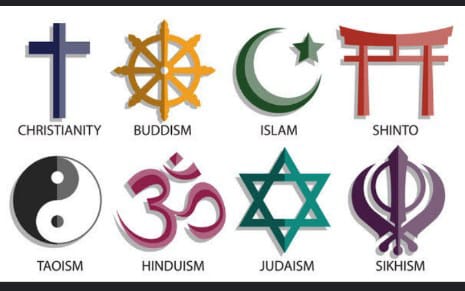
🌿 Are Women Evil? What Other Religions’ Books Say
🌟 Introduction
Some philosophers in history, like Arthur Schopenhauer, spoke very negatively about women. He saw them as shallow or a “trap of nature.” That kind of thinking makes people ask: “Are women evil?”
But when we open the pages of the world’s great religious books — the Bible, the Torah, the Vedas, the Gita, the Dhammapada, the Guru Granth Sahib — we see something very different. We see women described as mothers, wise guides, partners in creation, and sacred beings.
Let’s look at what different religions say.
✝️ 1. Christianity (Bible)
The Bible gives different views, depending on the book. Some parts reflect the culture of ancient times, but many verses honor women.
- Women created in God’s image (Genesis 1:27): “So God created mankind in His own image, in the image of God He created them; male and female He created them.”
✨ Lesson: Men and women are both created in God’s image. - Honor for mothers (Proverbs 31:25–26): “She is clothed with strength and dignity; she can laugh at the days to come. She speaks with wisdom, and faithful instruction is on her tongue.”
✨ Lesson: A righteous woman is strong, wise, and honored. - Mary, mother of Jesus (Luke 1:28): “Greetings, you who are highly favored! The Lord is with you.”
✨ Lesson: Mary is honored as blessed and chosen.
So in Christianity, women are not seen as evil. They are seen as part of God’s creation and instruments of His plan.
✡️ 2. Judaism (Torah and Talmud)
In Judaism, the Torah and later Jewish writings also show women as important.
- Creation (Genesis 2:22): “The Lord God made a woman from the rib he had taken out of the man, and He brought her to the man.”
✨ Lesson: Woman was created as a companion, not an enemy. - Wisdom (Proverbs 31:10): “A woman of noble character who can find? She is worth far more than rubies.”
✨ Lesson: A virtuous woman is priceless. - Respect for mothers (Exodus 20:12): “Honor your father and your mother, so that you may live long in the land the Lord your God is giving you.”
✨ Lesson: Honoring mothers is a commandment, not a choice.
So in Judaism, women are respected as mothers, wives, and wise guides.
🕉️ 3. Hinduism (Vedas and Bhagavad Gita)
Hindu scriptures place great value on the feminine, especially in the form of goddesses.
- Rig Veda (10.85.45): “Let women be radiant with the light of knowledge.”
✨ Lesson: Women are linked to wisdom and learning. - Manu Smriti (3.56): “Where women are honored, there the gods are pleased.”
✨ Lesson: Respecting women brings divine blessings. - Bhagavad Gita (Chapter 10:34): “Among women, I am fame, prosperity, speech, memory, intelligence, faith, and patience.”
✨ Lesson: Feminine qualities are seen as divine powers of God.
So in Hinduism, women are seen as sacred powers, not evil.
☸️ 4. Buddhism
In Buddhism, both men and women can reach enlightenment. Women are not seen as evil, but as spiritual seekers too.
- Dhammapada (verse 227): “By oneself is evil done; by oneself is one defiled. By oneself is evil left undone; by oneself is one purified.”
✨ Lesson: Evil comes from actions, not from being male or female. - Stories of nuns (Therigatha): Early Buddhist scriptures include poems by enlightened women, showing their wisdom and liberation.
So in Buddhism, women are equally capable of enlightenment. Evil is not about gender — it’s about ignorance and desire.
🛕 5. Sikhism (Guru Granth Sahib)
Sikhism strongly rejects the idea that women are inferior. The Sikh Gurus honored women openly.
- Guru Nanak (Sri Guru Granth Sahib, p. 473): “From woman, man is born; within woman, man is conceived; to woman he is engaged and married. Why call her bad? From her, kings are born.”
✨ Lesson: Women are the givers of life. Without women, humanity cannot exist. - Guru Granth Sahib (p. 473): “O Nanak, only the True Lord is without a woman.”
✨ Lesson: Men and women are both part of creation.
So in Sikhism, women are equal, honored, and essential.
🌍 What Do We Learn?
Looking across all these religions, one truth stands out:
- Christianity honors women as created in God’s image and as mothers of wisdom.
- Judaism calls women precious and commands respect for mothers.
- Hinduism sees women as divine powers and blessings.
- Buddhism teaches that evil is from action, not gender, and women can reach enlightenment.
- Sikhism declares openly that women are not to be called bad, because all life comes through them.
✅ Conclusion
So, are women evil?
👉 According to the world’s great religious books: No.
- Women are partners in creation.
- Women are sources of wisdom, life, and blessing.
- Women are equally capable of spiritual greatness.
If any culture or philosopher calls women “evil,” they are speaking from their own pain, prejudice, or misunderstanding. The voices of the world’s scriptures tell us something brighter:
🌸 Women are not evil. Women are sacred, honored, and powerful.
📚 Women Are Not Evil: Motivational & Islamic Books That Prove It
🌟 Introduction
Some people in history, like Schopenhauer, wrote harsh words about women. They called women weak, shallow, or even dangerous. That makes people ask: “Are women evil?”
But if we turn to the world of motivational books and especially Islamic books, we see a very different story. These books tell us that women are strong, honorable, and full of potential. They are not evil — they are a blessing.
Let’s look at some famous motivational books and important Islamic books that talk about women in a positive way.
📖 Part 1: Motivational Books About Women
1. “Lean In” by Sheryl Sandberg
- Sandberg, a leader at Facebook, encourages women to step forward in careers and leadership.
- She says women should not doubt themselves — they should “lean in” and take opportunities.
- Lesson: Women have the ability to lead and succeed, just like men.
2. “The Moment of Lift” by Melinda Gates
- Gates shares stories of women around the world.
- She shows how giving women education and independence lifts entire families and societies.
- Lesson: Empowering women changes the world.
3. “We Should All Be Feminists” by Chimamanda Ngozi Adichie
- A short but powerful book.
- Adichie explains that women are not weak — society just teaches them to stay small.
- Lesson: Men and women together should fight for equality.
4. “You Can Heal Your Life” by Louise Hay
- While not only about women, this book teaches self-love and healing.
- Many women find it inspiring because it helps them overcome negative beliefs about themselves.
- Lesson: Women must believe in their worth and inner power.
5. “Becoming” by Michelle Obama
- Michelle Obama shares her journey from a normal girl to the First Lady of the USA.
- She talks about challenges, education, and balancing family with leadership.
- Lesson: Women can shape history while being true to themselves.
💡 Takeaway from Motivational Books:
Modern motivational writers remind us that women are not “less.” Women are leaders, creators, and healers. The only limits are the ones society tries to put on them.
🕌 Part 2: Islamic Books About Women
Islamic scholars and writers have also written many books that show women’s dignity, power, and spiritual greatness.
1. “Women Around the Messenger” by Muhammad Ali Qutb
- This book tells the stories of women in the time of Prophet Muhammad ﷺ.
- It talks about Khadijah (RA), Aisha (RA), Fatimah (RA), and others.
- Lesson: These women were leaders, teachers, and examples for the whole ummah.
2. “Great Women of Islam Who Were Given the Good News of Paradise” by Mahmood Ahmad Ghadanfar
- This book shares stories of 26 women promised Paradise.
- It shows their courage, patience, and faith.
- Lesson: Women are role models of strength and piety.
3. “Ideal Muslimah” by Dr. Muhammad Ali al-Hashimi
- This book describes the qualities of an ideal Muslim woman.
- It emphasizes her dignity, her worship, her role as a mother, wife, and community member.
- Lesson: A woman’s life can be balanced, powerful, and deeply spiritual.
4. “Maryam: The Noble Woman” (Stories from the Qur’an)
- A book about Maryam (AS), the mother of Prophet Isa (Jesus).
- She is described in the Qur’an as pure, chosen, and honored above women of the world.
- Lesson: Women can reach the highest levels of faith.
5. “The Rights of Women in Islam” by Maulana Wahiduddin Khan
- Explains clearly that Islam gave women rights to property, inheritance, marriage, education, and respect.
- Lesson: Far from calling women evil, Islam raised their status at a time when society treated them badly.
💡 Takeaway from Islamic Books:
Islamic literature is full of respect for women. From the wives of the Prophet ﷺ to the female companions, women are shown as leaders, educators, and spiritual lights.
🌍 Part 3: The Big Picture
When we combine these two — modern motivational books and Islamic books — we get a powerful message:
- Women are not evil.
- Women are capable of leadership, faith, and greatness.
- Both the modern world and Islam tell us: empowering women empowers the whole society.
Where Schopenhauer saw “weakness,” these books show strength.
Where he saw “traps,” these books show blessings.
✅ Conclusion
So, are women evil? The answer is no — not in Islam, not in modern motivational thought, not in reality.
- Motivational books tell us women are leaders, creators, and dreamers.
- Islamic books tell us women are mothers of nations, teachers of knowledge, and honored by Allah.
🌸 Final Thought:
A society that honors women rises. A society that insults women falls.
That’s why the Prophet Muhammad ﷺ said:
“The best of you are those who are best to their women.”
Women are not evil.
Women are power.
Women are light.

🌿 How to Prepare Our Minds to Respect Women
🌟 Introduction
Some people in history spoke harshly about women. Some cultures even treated women as “less.” But the truth is: women are not weak, not evil, not inferior. Women are human beings, full of dignity, wisdom, and power.
Respecting women begins in the mind and heart. If our thinking is wrong, our actions will also be wrong. So how can we prepare our minds to truly respect women? Let’s break it into clear steps.
🧠 1. Change the Way We Think
Respect starts with thought.
- Remember: Women are not objects. They are not possessions. They are human beings with feelings, dreams, and rights.
- Train your mind to see a woman first as a human soul, not just her gender, beauty, or role.
- Tell yourself every day: “Women are equal partners in life. They are my mothers, sisters, daughters, and friends.”
💡 Tip: Whenever you catch yourself thinking a negative stereotype (“women are weak” / “women are emotional”), stop and replace it with a truth: “Women are strong, wise, and valuable.”
👂 2. Listen More, Judge Less
One of the biggest ways to respect someone is to listen.
- Many women are ignored in conversations. Train your mind to listen when women speak.
- Don’t interrupt. Don’t dismiss their opinion.
- Listening shows that you value their thoughts.
💡 Tip: Next time you’re in a meeting or family discussion, pause and ask: “What do you think?” This small habit builds respect.
💬 3. Use Respectful Words
Words shape our minds.
- Avoid jokes or comments that insult women.
- Speak kindly — whether to your mother, wife, sister, teacher, or colleague.
- Words of respect build an inner habit of respect.
💡 Tip: Replace words like “weak” or “emotional” with words like “compassionate,” “wise,” “strong,” and “resilient.”
🌍 4. Learn From Role Models
Sometimes our minds hold wrong ideas because we never saw the truth.
- Read stories of powerful women in history:
- Khadijah (RA) — the Prophet ﷺ’s wife, a successful businesswoman.
- Aisha (RA) — a great teacher of Islam.
- Marie Curie — Nobel Prize winner in science.
- Malala Yousafzai — modern fighter for girls’ education.
When we learn about these women, our minds naturally begin to see women as leaders, thinkers, and heroes, not as “less.”
🕌 5. Remember Your Faith (for Muslims)
In Islam, respecting women is not optional — it is part of faith.
- The Qur’an says men and women are created from a single soul (Surah An-Nisa 4:1).
- The Prophet Muhammad ﷺ said: “The best of you are those who are best to their women.”
- Paradise is under the feet of mothers.
When you prepare your mind with these teachings, respecting women becomes an act of worship.
🤲 6. Train Your Ego
Often, disrespect comes from the ego — the part of us that wants to feel bigger by making others smaller.
- If a man thinks: “I am stronger, so I am better,” he is following his ego, not truth.
- Prepare your mind by reminding yourself: strength is not superiority. True superiority is in character.
💡 Tip: Say to yourself: “Respecting women makes me a stronger man/woman. Disrespecting them only shows my weakness.”
🧒 7. Teach Respect From Childhood
If we want a society that respects women, it starts with children.
- Boys must be taught from a young age that girls are equal and deserve kindness.
- Girls must be taught from a young age that they are valuable, capable, and deserve respect.
- When children grow up with this mindset, respecting women becomes natural.
💡 8. Daily Habits That Build Respect
Here are some simple habits that prepare your mind daily:
- Say thank you to the women in your life — your mother, sister, wife, teacher.
- Help in the house — Prophet Muhammad ﷺ helped his wives at home.
- Appreciate effort, not just appearance — compliment wisdom, hard work, or patience.
- Stand up against disrespect — if someone insults women in front of you, speak up kindly.
🌸 Conclusion
Respecting women is not just about words — it’s about a mindset. When we prepare our minds with knowledge, kindness, faith, and daily habits, respect comes naturally.
So, are women evil? Absolutely not. Women are:
- The mothers who gave us life.
- The teachers who give us knowledge.
- The partners who walk beside us.
- The daughters who bring light into homes.
🌿 Final Thought:
To respect women is to respect humanity itself.
To dishonor women is to dishonor ourselves.
So let’s prepare our minds every day to see women as they truly are: honored, powerful, and a gift from God.
🌿 A 30-Day Action Plan to Train Your Mind to Respect Women
🌟 Introduction
Respecting women is not just a thought, it’s a habit. And like any habit, it grows when we practice it every day. Here is a 30-day step-by-step plan to prepare your mind and heart for true respect towards women.
📅 Week 1: Change Your Thinking (Days 1–7)
This week is about rewiring the brain.
- Day 1: Write down 5 women who changed your life (mother, teacher, sister, friend). Think of one thing they gave you.
- Day 2: Whenever you see a woman, remind yourself: “She is a soul, not an object.”
- Day 3: Read 3 Qur’an verses or Hadith about women’s honor (e.g., “Paradise is under the feet of mothers”).
- Day 4: Replace negative words in your mind. If you think “emotional,” replace it with “compassionate.”
- Day 5: Learn one story of a great woman in history (like Khadijah RA or Marie Curie).
- Day 6: Write one sentence: “Respecting women makes me a better person.” Repeat it 10 times.
- Day 7: Spend 10 minutes reflecting on your mother’s sacrifices. Say “thank you” to her (or pray for her if she has passed).
📅 Week 2: Practice Listening (Days 8–14)
Respect grows when we listen.
- Day 8: In a conversation with a woman, don’t interrupt. Just listen fully.
- Day 9: Ask a woman in your life: “What do you think?” Value her opinion.
- Day 10: Notice how much women around you contribute (in the home, workplace, society). Write it down.
- Day 11: Thank a woman in your life for her advice.
- Day 12: Read one motivational book chapter about women (e.g., Lean In or Women Around the Messenger).
- Day 13: Listen to a lecture or podcast about women in Islam.
- Day 14: Reflect: Did listening make you respect women more? Write your thoughts.
📅 Week 3: Show Respect in Action (Days 15–21)
Now it’s time to act with respect.
- Day 15: Say “thank you” to your mother, wife, sister, or colleague for something small.
- Day 16: Do one helpful action at home (cook, clean, or assist) without being asked.
- Day 17: Compliment a woman for her wisdom, kindness, or hard work (not just her looks).
- Day 18: If you hear someone insult or joke about women, speak up politely: “Let’s respect them instead.”
- Day 19: Re-read the Hadith: “The best of you are those who are best to their women.” Reflect for 5 minutes.
- Day 20: Share one inspiring story of a woman (from history or today) with a friend or family member.
- Day 21: Write down 3 ways women make society better.
📅 Week 4: Build Lifelong Habits (Days 22–30)
This week is about making respect permanent.
- Day 22: Commit to daily kindness: one good word to a woman each day.
- Day 23: Read about a female scholar or leader in Islamic history.
- Day 24: Teach a child (boy or girl) that women deserve respect and equality.
- Day 25: Make a dua (prayer) for the women in your family.
- Day 26: Practice humility — remind yourself that no gender is superior. Character is what matters.
- Day 27: Share a Qur’an verse or Hadith about women on social media.
- Day 28: Say aloud: “Respecting women is respecting humanity.”
- Day 29: Reflect: How has your thinking about women changed in 1 month? Write it down.
- Day 30: Make a promise: “I will respect women every day of my life.”
✅ Conclusion
By following this 30-day plan, your mindset will shift. Respect will no longer feel like an effort — it will become natural.
Remember:
- Respect begins in thought.
- Respect grows with listening.
- Respect shines in action.
- Respect lasts with habit.
🌸 Final Thought:
Women are not evil. They are mothers, daughters, leaders, and teachers. When we prepare our minds to respect women, we prepare ourselves to respect life, humanity, and God’s creation.
🌍 A Conclusion That Humanity Must Hear
Humanity has reached the stars, but many hearts are still stuck in darkness. We build tall buildings, yet our thinking about women often remains small. We write books, give speeches, create philosophies — but if those words strip women of dignity, then they are nothing but dust.
Tell me, O humanity:
How can the hand that rocks the cradle be called weak?
How can the voice that teaches the child be called less?
How can the heart that bears the weight of life be called evil?
The truth is simple, brighter than the sun: Women are not evil — they are the breath of existence.
- Without women, there is no birth.
- Without mothers, there is no mercy.
- Without sisters, there is no support.
- Without wives, there is no companionship.
- Without daughters, there is no future.
If you insult women, you insult life itself. If you dishonor women, you dishonor your own blood. If you silence women, you silence half of humanity — and humanity cannot walk on one leg.
Today I say to every man, every nation, every religion, every heart:
👉 Respecting women is not charity. It is justice.
👉 Protecting women is not kindness. It is duty.
👉 Honoring women is not optional. It is survival.
The time has come to end the old lies. The time has come to tear down the poisonous voices that called women evil. Those voices were never truth — they were fear, bitterness, and ignorance wearing the mask of wisdom.
Now humanity must rise together.
- Let fathers teach sons that women are sacred.
- Let mothers teach daughters that they are powerful.
- Let leaders build societies where women are safe, honored, and free.
And let every heart remember the final law of existence:
🌸 A world that honors women will rise. A world that insults women will fall.
So rise, humanity, rise — not on the strength of weapons, but on the strength of respect. Rise by lifting women. Rise by protecting their dignity. Rise by remembering that the honor of a woman is the honor of the world.
⚡ Final Call:
After today, no more silence, no more excuses. Whoever reads these words carries a duty: to respect women, to defend them, to honor them.
Because when you respect a woman, you respect your mother.
When you respect a woman, you respect your future.
When you respect a woman, you respect your God.
And the day humanity truly understands this —
🌍 That day, the world will shake, not with violence, but with love.
Leave a Reply