

📑 Main Points of the Article: “Your Greatest Enemy is You”

1. Introduction
- The biggest battle is inside, not outside.
- The “inner enemy” is ego, fear, laziness, anger, pride, self-doubt.
2. Understanding the Inner Enemy
- What is the inner enemy?
- How self-sabotage works in daily life.
3. Faces of the Inner Enemy
- Fear
- Self-doubt
- Procrastination
- Comfort zone
- Comparison with others
4. How the Inner Enemy Controls Life
- Missed opportunities
- Broken dreams
- Emotional stress
- Wasted potential
5. Recognizing the Enemy Within
- Signs you are fighting yourself.
- Reflection, journaling, self-awareness.
6. Overcoming the Inner Enemy
- Mindset shift
- Discipline and habits
- Positive self-talk
- Facing fear with courage
- Accountability with mentors
7. Turning the Enemy into an Ally
- Using fear as fuel
- Transforming self-doubt into motivation
- Making peace with the inner critic
- Building resilience
8. Spiritual Views (Sufi Path)
- Inner jihad against the nafs
- 7-day Sufi meditation program
9. Quranic Guidance
- 10 Quranic verses (Arabic, English, Urdu)
- 99 names of Allah for inner purification
- Scientific reasons behind these practices
10. Islamic Prayer Protocol
- Importance of Salah in self-control
- Scientific reasons why Salah calms the brain
11. Teachings of Prophet Muhammad ﷺ
- Prophet’s advice on self-control
- 10 powerful Duas of the Prophet ﷺ
- 7-day Sunnah-based diet plan
12. Wisdom from Other Religions
- Verses and teachings from Bible, Gita, Torah, etc.
- Universal message: Conquer yourself first
13. Nutrition & Health Guidance
- Famous nutrition doctors and their advice
- 7-day healthy diet program for self-control
14. Psychology & Medicine
- Famous psychologists and psychiatrists
- Medicines for impulse control (when necessary)
- Importance of therapy + discipline
15. Motivational Books
- Famous foreign motivational books
- Famous Islamic motivational books
16. Acupressure Healing
- Main acupressure points for calming inner enemy
- Daily routine for balance and focus
17. NLP, Silva, and Hypnosis Programs
- 7-day NLP therapy
- 7-day Silva meditation
- 7-day self-hypnosis program
- 21-day Master Program (combined with Islamic duas)
18. Powerful Conclusion
- Humanity’s real battlefield is the heart
- The world changes when you defeat yourself
- Final call to action for mankind

Your Greatest Enemy: It’s You
Introduction: The Enemy in the Mirror
When we think of enemies, we imagine difficult bosses, jealous people, toxic friends, or maybe unfair situations in life. But let me ask you something: what if the biggest enemy you will ever face is not outside of you, but inside?
The truth is, your greatest enemy is not your boss, not your neighbor, not the economy, and not even bad luck.
Your greatest enemy is you.
It’s your self-doubt, your fears, your bad habits, and the little voice in your head that says “You can’t do this.” That enemy is powerful, but here’s the good news—it’s also the one enemy you can fully control and defeat.
Let’s explore how.
1. Understanding the Inner Enemy
The “inner enemy” is not a real person. It’s the part of your mind that stops you from growing. It’s the excuses you make, the fears you feed, and the habits you allow.
Think about it:
- You want to start something new, but you keep waiting for the “right time.”
- You want to speak up, but you stop yourself because you’re afraid of what people will think.
- You want to chase your dream, but you convince yourself it’s impossible.
That hesitation, that fear, that little voice—it’s not the world stopping you. It’s you stopping you.
2. The Many Faces of the Inner Enemy
Your inner enemy doesn’t come in one clear form. It wears many masks. Here are the most common ones:
- Fear: Fear makes you avoid risks. It whispers, “Don’t try, you’ll fail.” But by avoiding failure, you also avoid success.
- Self-Doubt: This is the voice that says, “You’re not good enough.” It kills your confidence before you even start.
- Procrastination: This is the master trick of the enemy—making you delay and delay until opportunities are gone.
- Comfort Zone: The enemy loves to keep you safe, but “safe” often means no growth.
- Comparison: Looking at others and thinking, “They’re better than me,” which only makes you lose focus on your own path.
Each of these is a small battle, and together they create a war inside your mind.
3. How the Inner Enemy Controls Your Life
When you let your inner enemy win, you don’t live fully.
- You don’t take risks, so you don’t grow.
- You don’t chase dreams, so you settle for less.
- You don’t speak up, so your ideas remain unheard.
The saddest part is not failure—it’s regret. Years later, you may look back and think, “I had the chance, but I didn’t take it.” That’s what happens when your inner enemy runs your life.
4. Recognizing the Enemy Within
The first step in defeating your inner enemy is to see it clearly.
Ask yourself these questions:
- Do I often find excuses to avoid doing important things?
- Do I talk myself out of opportunities?
- Do I spend more time worrying than acting?
- Do I feel stuck in the same place for too long?
If you answered “yes” to any of these, it means your inner enemy is winning more battles than you think.
Self-awareness is like shining a light in a dark room. Once you see the enemy, it loses some of its power.
5. Overcoming the Inner Enemy
Now comes the most important part: How do you fight back?
Here are some powerful but simple strategies:
- Change Your Mindset
Don’t wait for perfect conditions. Start small. Focus on progress, not perfection. - Build Small Habits
Discipline beats motivation. Even 10 minutes a day of consistent effort is better than nothing. - Talk Back to Yourself
When the voice says, “I can’t,” reply with, “I’ll try.” Slowly, your brain will believe you. - Face Your Fears
Fear shrinks when you walk towards it. Start with small steps. Each win builds courage. - Stay Accountable
Share your goals with someone who will check on you. A friend, mentor, or coach can stop you from giving up.
6. Turning the Enemy Into an Ally
Here’s the secret: you don’t have to completely destroy the inner enemy. Instead, you can turn it into a teacher.
- Fear can remind you to prepare better.
- Self-doubt can push you to learn more.
- Even procrastination can show you what doesn’t excite you, so you can focus on what really matters.
When you stop fighting yourself and instead learn from these feelings, you grow stronger.
Conclusion: Winning the Battle Within
At the end of the day, your greatest enemy has always been you. But here’s the beautiful truth: once you win against yourself, no outside enemy can defeat you.
The battle is not easy—it’s daily, it’s quiet, and it’s often invisible. But every time you choose courage over fear, action over procrastination, belief over doubt—you win.
So the next time you look in the mirror, remember: the person looking back is both your greatest enemy and your greatest ally. The choice is yours—will you let that enemy stop you, or will you rise above and finally live the life you were meant to live?
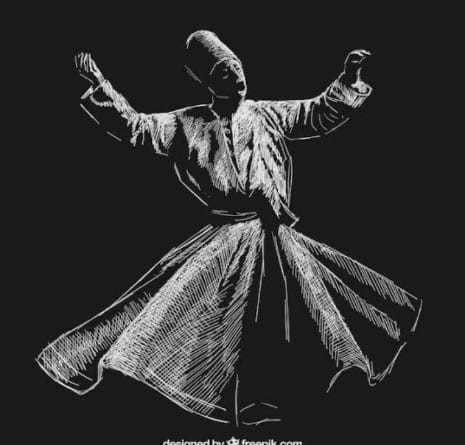
Spiritual Wisdom: Your Greatest Enemy Is You
In the spiritual path, great teachers and Sufi masters often say: “The greatest battle is not with the world but with the self (Nafs).”
The Nafs means the lower self—the part of us filled with desires, pride, jealousy, laziness, and anger. This “self” is the enemy inside.
The Holy Prophet Muhammad (peace be upon him) once said after a battle:
“We have returned from the lesser jihad to the greater jihad.”
The companions asked, “What is the greater jihad?”
He replied: “The struggle against your own self.”
So, spiritually, the enemy is not people or situations. The real enemy is the ego that pushes us away from truth, peace, and closeness to God.
Sufis teach us that when we purify our heart and control our ego, the light of God (Nur) shines inside us. We become peaceful, strong, and free.
7 Days of Sufi Meditation to Defeat the Inner Enemy
Here is a very simple 7-day journey you can practice. It’s written in a gentle, easy way, so anyone can follow. Each day has one focus.
Day 1: Awareness of the Enemy Within
- Sit quietly for 10 minutes.
- Close your eyes and breathe deeply.
- Ask yourself: “What thoughts stop me from growing?”
- Notice your fears, laziness, or excuses. Don’t fight them yet—just see them.
- End by saying softly: “O Allah, show me my truth.”
Day 2: Breathing Out Negativity
- Sit in a calm place.
- Take a deep breath in. Imagine light entering your heart.
- Breathe out slowly. Imagine you are letting go of fear, anger, and self-doubt.
- Repeat for 10–15 minutes.
- Whisper: “La ilaha illa Allah” (There is no power but God).
Day 3: Gratitude for the Self
- Today, don’t fight yourself. Instead, thank God for creating you.
- Write down 5 good things about yourself (kindness, patience, creativity, etc.).
- Meditate by placing your hand on your heart and saying: “Alhamdulillah for who I am becoming.”
- This weakens the enemy of self-hate.
Day 4: The Sword of Discipline
- The enemy inside loves laziness. Today, fight it with discipline.
- Choose one small action (like walking, reading Qur’an, or helping someone).
- Do it with full focus. Don’t listen to excuses.
- End your day by thanking God for giving you strength.
Day 5: Surrendering the Ego
- Sit silently and say: “O Allah, I surrender my ego to You.”
- Imagine putting your pride, jealousy, and anger into God’s hands.
- Let your heart feel lighter.
- Repeat: “You, not me.” This reminds you that God is greater than your ego.
Day 6: Love as a Shield
- Sufis say the cure for the ego is love.
- Today, practice showing love:
- Smile at someone.
- Forgive a small mistake.
- Say a kind word.
- In meditation, say: “Fill my heart with love, Ya Allah.”
- When love grows, the enemy loses power.
Day 7: Unity and Reflection
- On the final day, sit quietly and reflect on the whole week.
- Ask yourself: “What have I learned about my inner enemy?”
- Recite slowly: “La ilaha illa Allah” 100 times with full focus on your heart.
- Imagine the ego melting and God’s light filling your soul.
- End by praying: “Make me my own friend, not my enemy.”
Final Spiritual Reflection
Your greatest enemy is not the world, not people, not problems—it’s the voice inside that pulls you away from truth. But through awareness, gratitude, discipline, surrender, and love, you can turn that enemy into a friend.
The Sufi path is about polishing the heart until it shines. When the heart shines, the ego becomes quiet, and the soul finds peace.
Remember: Once you defeat yourself, no outside enemy can touch your spirit.
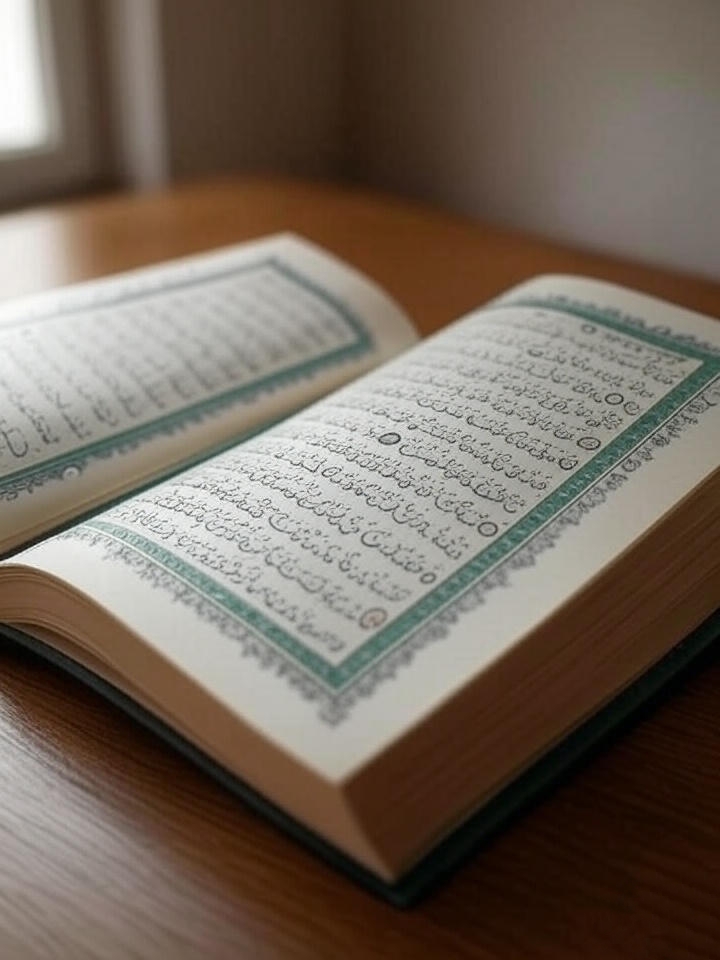
Quranic Point of View: Your Greatest Enemy Is You
In Islam, the biggest struggle is not with outside enemies but with the Nafs (ego, lower self). The Nafs is the part of us that pulls toward desires, laziness, anger, jealousy, and arrogance.
The Qur’an teaches us that the Nafs can lead us to destruction if we don’t control it. But if we purify the Nafs, it becomes peaceful and close to Allah.
The journey of life is really the journey of fighting your inner self and bringing it closer to Allah. This is the greater Jihad (Al-Jihad al-Akbar) — the struggle against the ego.
10 Quranic Verses About the Inner Enemy
1. Surah Yusuf (12:53)
Arabic:
وَمَا أُبَرِّئُ نَفْسِي ۚ إِنَّ النَّفْسَ لَأَمَّارَةٌۢ بِالسُّوٓءِ إِلَّا مَا رَحِمَ رَبِّىٓ ۚ إِنَّ رَبِّى غَفُورٌۭ رَّحِيمٌۭ
English:
“I do not claim my soul to be pure, for surely the soul always commands to evil—except the one my Lord shows mercy to. Surely my Lord is Forgiving, Merciful.”
Urdu:
“میں اپنے نفس کو بری نہیں ٹھہراتا، بے شک نفس تو برائی کا بہت حکم دیتا ہے، مگر جس پر میرا رب رحم فرمائے۔ بے شک میرا رب بخشنے والا، مہربان ہے۔”
2. Surah Ash-Shams (91:9–10)
Arabic:
قَدْ أَفْلَحَ مَن زَكَّىٰهَا وَقَدْ خَابَ مَن دَسَّىٰهَا
English:
“Successful is the one who purifies the soul, and failure is the one who corrupts it.”
Urdu:
“بے شک کامیاب ہوا وہ جس نے نفس کو پاک کیا، اور ناکام ہوا وہ جس نے اسے گناہوں میں ڈبو دیا۔”
3. Surah Al-Ankabut (29:69)
Arabic:
وَالَّذِينَ جَاهَدُوا فِينَا لَنَهْدِيَنَّهُمْ سُبُلَنَا ۚ وَإِنَّ اللَّهَ لَمَعَ الْمُحْسِنِينَ
English:
“As for those who strive in Our cause, We will surely guide them to Our paths. Indeed, Allah is with those who do good.”
Urdu:
“اور جو لوگ ہماری راہ میں جہاد کرتے ہیں ہم ضرور انہیں اپنی راہیں دکھائیں گے، اور بے شک اللہ نیکوکاروں کے ساتھ ہے۔”
4. Surah Al-Furqan (25:43)
Arabic:
أَرَءَيْتَ مَنِ اتَّخَذَ إِلَـٰهَهُۥ هَوَىٰهُ ۚ أَفَأَنتَ تَكُونُ عَلَيْهِ وَكِيلًۭا
English:
“Have you seen the one who takes his desires as his god? Would you then be a guardian over him?”
Urdu:
“کیا آپ نے اس شخص کو دیکھا جس نے اپنی خواہش کو ہی اپنا معبود بنا لیا؟ تو کیا آپ اس پر ذمہ دار ہوں گے؟”
5. Surah Al-Hashr (59:19)
Arabic:
وَلَا تَكُونُوا كَالَّذِينَ نَسُوا اللَّهَ فَأَنسَىٰهُمْ أَنفُسَهُمْ ۚ أُو۟لَـٰٓئِكَ هُمُ الْفَـٰسِقُونَ
English:
“Do not be like those who forgot Allah, so He made them forget their own souls. It is they who are the rebellious.”
Urdu:
“اور ان جیسے نہ ہو جاؤ جنہوں نے اللہ کو بھلا دیا تو اللہ نے انہیں ان کے نفس بھلا دیے۔ یہی لوگ نافرمان ہیں۔”
6. Surah Al-Jathiyah (45:23)
Arabic:
أَفَرَءَيْتَ مَنِ اتَّخَذَ إِلَـٰهَهُۥ هَوَىٰهُ وَأَضَلَّهُ ٱللَّهُ عَلَىٰ عِلْمٍۢ وَخَتَمَ عَلَىٰ سَمْعِهِۦ وَقَلْبِهِۦ وَجَعَلَ عَلَىٰ بَصَرِهِۦ غِشَـٰوَةًۭ ۖ فَمَن يَهْدِيهِ مِنۢ بَعْدِ ٱللَّهِ ۚ أَفَلَا تَذَكَّرُونَ
English:
“Have you seen the one who takes his desires as his god, and Allah leaves him astray knowingly, sealing his hearing and his heart, and covering his sight? Who then can guide him after Allah?”
Urdu:
“کیا آپ نے اس شخص کو دیکھا جس نے اپنی خواہش کو معبود بنا لیا اور اللہ نے اسے جان بوجھ کر گمراہ کر دیا اور اس کے کان اور دل پر مہر لگا دی اور اس کی آنکھ پر پردہ ڈال دیا؟ اللہ کے بعد کون ہے جو اسے ہدایت دے؟ کیا تم غور نہیں کرتے؟”
7. Surah Al-Mu’minun (23:3)
Arabic:
وَالَّذِينَ هُمْ عَنِ اللَّغْوِ مُعْرِضُونَ
English:
“And those who avoid vain talk.”
Urdu:
“اور وہ لوگ جو بیہودہ باتوں سے منہ پھیر لیتے ہیں۔”
8. Surah Al-A’raf (7:179)
Arabic:
لَهُمْ قُلُوبٌۭ لَّا يَفْقَهُونَ بِهَا وَلَهُمْ أَعْيُنٌۭ لَّا يُبْصِرُونَ بِهَا وَلَهُمْ ءَاذَانٌۭ لَّا يَسْمَعُونَ بِهَا ۚ أُو۟لَـٰٓئِكَ كَالْأَنْعَـٰمِ بَلْ هُمْ أَضَلُّ ۚ أُو۟لَـٰٓئِكَ هُمُ الْغَـٰفِلُونَ
English:
“They have hearts with which they do not understand, eyes with which they do not see, and ears with which they do not hear. They are like cattle—no, even more astray. It is they who are the heedless.”
Urdu:
“ان کے دل ہیں مگر سمجھتے نہیں، آنکھیں ہیں مگر دیکھتے نہیں، کان ہیں مگر سنتے نہیں۔ یہ لوگ چوپایوں کی طرح ہیں بلکہ ان سے بھی زیادہ گمراہ ہیں۔ یہی ہیں غافل لوگ۔”
9. Surah Al-Mumtahanah (60:4)
Arabic:
رَبَّنَا عَلَيْكَ تَوَكَّلْنَا وَإِلَيْكَ أَنَبْنَا وَإِلَيْكَ ٱلْمَصِيرُ
English:
“Our Lord, in You we put our trust, to You we turn in repentance, and to You is the final return.”
Urdu:
“اے ہمارے رب! ہم نے تجھ پر بھروسہ کیا، اور تیری طرف رجوع کیا، اور تیری ہی طرف لوٹ کر جانا ہے۔”
10. Surah Ar-Ra’d (13:11)
Arabic:
إِنَّ ٱللَّهَ لَا يُغَيِّرُ مَا بِقَوْمٍ حَتَّىٰ يُغَيِّرُوا مَا بِأَنفُسِهِمْ
English:
“Indeed, Allah will not change the condition of a people until they change what is within themselves.”
Urdu:
“بے شک اللہ کسی قوم کی حالت نہیں بدلتا جب تک وہ خود اپنے آپ کو نہ بدلیں۔”
Connection with the 99 Names of Allah
Many of Allah’s beautiful names (Asma ul Husna) help us in fighting the inner enemy:
- Al-Ghaffar (The Forgiver) → To forgive us when our Nafs misleads us.
- Ar-Rahman (The Most Merciful) → To shower mercy when we fail.
- Al-Hadi (The Guide) → To guide us back when we go astray.
- Al-Qahhar (The Subduer) → To help us overpower our ego.
- Al-Latif (The Subtle, Gentle) → To give us soft hearts.
- As-Sabur (The Patient) → To give us strength in this lifelong struggle.
- An-Nur (The Light) → To light up the darkness inside.
- Al-Muqaddim (The One Who Brings Forward) → To push us forward when laziness holds us back.
- Al-Mu’izz (The One Who Honors) → To honor us when we purify our hearts.
- Al-Muqallib al-Quloob (The Turner of Hearts) → To turn our hearts toward goodness.
When we call upon Allah with these names, He gives us the strength to defeat our inner enemy.
Scientific Reasons: Why “You” Can Be Your Own Enemy
Even modern science agrees with what the Qur’an says:
- Psychology of the Mind
- Our brain creates negative thoughts (self-doubt, fear) as a protection system. But this “safety” often stops growth.
- Neuroscience
- The amygdala in our brain creates fear, even when there is no danger. That’s why we hold ourselves back.
- Habits and Procrastination
- Science shows 40% of our actions are habits. Bad habits make us our own enemy.
- Stress and Ego
- Too much ego raises stress hormones (like cortisol), which harms health. Humility and self-control improve well-being.
- Positive Psychology
- When people focus on gratitude, love, and discipline, their brain chemistry changes (dopamine, serotonin) making them stronger and happier.
So both Qur’an and science agree: your biggest struggle is inside you, and if you win it, you succeed in life and in the Hereafter.

Muslim Prayer Protocol to Defeat the Inner Enemy
In Islam, the best way to fight your inner enemy (nafs, ego, laziness, anger, desires) is through regular prayer (Salah). Salah is not only a ritual—it’s a training for the soul, mind, and body.
The Qur’an says:
“Indeed, prayer keeps one away from shameful and evil deeds.”
(Surah Al-Ankabut 29:45)
This means Salah itself is a shield against the inner enemy.
Step-by-Step Salah Protocol
- Pray Five Daily Salah (Obligatory)
- Fajr → early morning, builds discipline.
- Dhuhr → midday, reminds you to pause and reset.
- Asr → afternoon, keeps you focused.
- Maghrib → at sunset, teaches gratitude.
- Isha → at night, gives peace before rest.
👉 Each prayer cuts the cycle of laziness, ego, and temptation.
- Make Duas (Supplications)
- After every Salah, raise your hands and ask:
- “O Allah, purify my heart, control my nafs, and make me stronger than my desires.”
- Use Allah’s names like Al-Hadi (The Guide), Al-Qahhar (The Subduer), and An-Nur (The Light) when asking.
- After every Salah, raise your hands and ask:
- Pray Extra (Nafl / Sunnah)
- Tahajjud (Night Prayer): Best prayer to fight the ego, because it means leaving sleep for Allah.
- Salat al-Duha (Forenoon Prayer): Gives peace, energy, and gratitude.
- Istighfar (Seeking forgiveness): Keeps the heart soft and humble.
- Dhikr (Remembrance of Allah)
- Repeat simple phrases to control thoughts:
- SubhanAllah (Glory be to Allah)
- Alhamdulillah (All praise to Allah)
- Allahu Akbar (Allah is the Greatest)
- La ilaha illa Allah (No god but Allah)
- This reduces stress and ego instantly.
- Repeat simple phrases to control thoughts:
- Qur’an Recitation
- Reading verses daily reminds us of our true purpose and weakens the whispers of the nafs.
- Surah Al-Shams (91), Surah Al-Fatiha, and Surah Al-Ikhlas are very powerful for heart purification.
Scientific Reasons Why Muslim Prayers Help
Modern science shows prayer is not only spiritual—it has real mental and physical benefits:
- Calms the Brain
- During Salah, breathing slows and stress hormones drop.
- Prostration (Sujood) increases blood flow to the brain, calming the nervous system.
- Destroys Ego
- When you bow and put your forehead on the ground, it’s a physical act of humility.
- Science shows humility reduces anxiety and makes people happier.
- Creates Discipline
- Praying 5 times a day sets a daily routine.
- Psychologists say routines reduce laziness and procrastination—the very weapons of the inner enemy.
- Improves Focus
- In Salah, you leave distractions and concentrate only on Allah.
- Neurologists found prayer increases attention span and mindfulness.
- Boosts Emotional Health
- Gratitude in prayer raises serotonin and dopamine (happiness chemicals).
- People who pray regularly are proven to feel less lonely, less stressed, and more hopeful.
- Strengthens Community
- Praying in congregation (Jama’ah) fights isolation.
- Social connection lowers depression and motivates good behavior.
- Night Prayer (Tahajjud) and Brain Healing
- Waking up before dawn resets brain chemistry and lowers stress.
- Scientists say early hours are best for creativity and focus.
Simple Daily Plan (Prayer + Self-Control)
- Morning (Fajr): Start the day with fresh energy, ask Allah for strength against ego.
- Midday (Dhuhr): Pause work, reset your mind.
- Afternoon (Asr): Protects from laziness and distraction.
- Evening (Maghrib): Time for gratitude, reflection.
- Night (Isha + Tahajjud): Let go of stress, surrender ego before sleep.
This cycle trains the soul daily.
Final Reflection
Your greatest enemy is inside you—but Allah has already given you the weapon to defeat it: Salah, Dua, and Dhikr.
Every bow, every sujood, every whisper of SubhanAllah is a strike against the ego.
Every prayer is like washing your heart from pride, laziness, and fear.
And science proves what Islam taught 1400 years ago: Prayer changes your brain, your body, and your soul.

Prophet Muhammad ﷺ Teachings About the Inner Enemy
The Prophet ﷺ taught that the greatest jihad is not on the battlefield but inside ourselves. He said:
“The strong man is not the one who can wrestle others down. The strong man is the one who controls himself when angry.”
(Sahih al-Bukhari, Sahih Muslim)
He also said:
“Your worst enemy is your own soul that lies within your two sides.”
(Bayhaqi, Shu’ab al-Iman)
This shows us that our biggest battle is not with others, but with our anger, laziness, pride, jealousy, and desires.
The Prophet ﷺ gave us simple tools: prayer, fasting, dhikr, patience, humility, and gratitude to defeat the nafs.
10 Powerful Duas of Prophet ﷺ Against the Inner Enemy
1. Dua for Purity of the Soul
Arabic:
اللَّهُمَّ آتِ نَفْسِي تَقْوَاهَا، وَزَكِّهَا أَنْتَ خَيْرُ مَنْ زَكَّاهَا، أَنْتَ وَلِيُّهَا وَمَوْلَاهَا
English:
“O Allah, grant my soul its piety, and purify it, for You are the best to purify it. You are its Guardian and Master.”
Urdu:
“اے اللہ! میرے نفس کو اس کا تقویٰ عطا فرما اور اسے پاک کردے، تو ہی سب سے بہتر پاک کرنے والا ہے، تو ہی اس کا مالک اور کارساز ہے۔”
2. Dua for Protection from Nafs
Arabic:
اللَّهُمَّ إِنِّي أَعُوذُ بِكَ مِنْ شَرِّ نَفْسِي
English:
“O Allah, I seek refuge in You from the evil of my soul.”
Urdu:
“اے اللہ! میں اپنے نفس کے شر سے تیری پناہ مانگتا ہوں۔”
3. Dua for Guidance
Arabic:
اللَّهُمَّ اهْدِنِي وَسَدِّدْنِي
English:
“O Allah, guide me and keep me steadfast.”
Urdu:
“اے اللہ! مجھے ہدایت دے اور مجھے سیدھے راستے پر قائم رکھ۔”
4. Dua for Protection from Laziness
Arabic:
اللَّهُمَّ إِنِّي أَعُوذُ بِكَ مِنَ الْعَجْزِ وَالْكَسَلِ
English:
“O Allah, I seek refuge in You from incapacity and laziness.”
Urdu:
“اے اللہ! میں عاجزی اور سستی سے تیری پناہ مانگتا ہوں۔”
5. Dua for a Clean Heart
Arabic:
اللَّهُمَّ نَقِّنِي مِنْ خَطَايَايَ كَمَا يُنَقَّى الثَّوْبُ الْأَبْيَضُ مِنَ الدَّنَسِ
English:
“O Allah, cleanse me from my sins as a white garment is cleansed from dirt.”
Urdu:
“اے اللہ! میرے گناہوں کو ایسے پاک کر دے جیسے سفید کپڑا میل سے پاک کیا جاتا ہے۔”
6. Dua for Patience
Arabic:
رَبَّنَا أَفْرِغْ عَلَيْنَا صَبْرًا
English:
“Our Lord, pour upon us patience.”
Urdu:
“اے ہمارے رب! ہم پر صبر نازل فرما۔”
7. Dua for a Sound Heart
Arabic:
اللَّهُمَّ اجْعَلْ فِي قَلْبِي نُورًا
English:
“O Allah, place light in my heart.”
Urdu:
“اے اللہ! میرے دل میں نور ڈال دے۔”
8. Dua for Forgiveness
Arabic:
رَبِّ اغْفِرْ لِي وَتُبْ عَلَيَّ إِنَّكَ أَنْتَ التَّوَّابُ الرَّحِيمُ
English:
“My Lord, forgive me and accept my repentance; surely, You are the Most Forgiving, Most Merciful.”
Urdu:
“اے میرے رب! مجھے معاف فرما اور میری توبہ قبول فرما، بے شک تو ہی سب سے زیادہ معاف کرنے والا، مہربان ہے۔”
9. Dua for Protection from Shaytan
Arabic:
رَبِّ أَعُوذُ بِكَ مِنْ هَمَزَاتِ الشَّيَاطِينِ
English:
“My Lord, I seek refuge in You from the whisperings of the devils.”
Urdu:
“اے میرے رب! میں شیطان کے وسوسوں سے تیری پناہ مانگتا ہوں۔”
10. Dua for Inner Peace
Arabic:
اللَّهُمَّ اجْعَلْنِي رَاضِيًا مَرْضِيًّا
English:
“O Allah, make me content and make me pleasing to You.”
Urdu:
“اے اللہ! مجھے راضی رہنے والا بنا اور تجھ سے راضی ہونے والا بنا۔”
7-Day Sunnah Diet Plan for Purifying the Nafs
Food affects the mind and soul. Overeating makes the ego stronger, while eating clean and simple makes the soul stronger. The Prophet ﷺ said:
“The son of Adam does not fill any vessel worse than his stomach. A few morsels that keep his back straight are enough for him. If he must eat more, then let him fill one third with food, one third with drink, and leave one third for air.”
(Sunan al-Tirmidhi)
Here is a simple 7-day Sunnah-inspired diet plan for self-control:
Day 1 (Light & Pure Start)
- Breakfast: Dates + water + honey in warm water.
- Lunch: Barley bread + vegetable soup.
- Dinner: Grilled fish + salad.
Day 2 (Energy + Simplicity)
- Breakfast: Milk + a few almonds.
- Lunch: Olive oil with bread + cucumbers.
- Dinner: Lentil soup + one small portion of rice.
Day 3 (Balance Day)
- Breakfast: Dates with black seed (nigella).
- Lunch: Chicken broth + barley bread.
- Dinner: Steamed vegetables + yogurt.
Day 4 (Prophet’s Favorite Foods)
- Breakfast: Honey water + figs.
- Lunch: Roasted meat (small portion) + barley bread.
- Dinner: Milk + dates (light dinner).
Day 5 (Simple & Clean)
- Breakfast: Olive oil with bread + a little honey.
- Lunch: Vegetable stew + lentils.
- Dinner: Grilled fish + salad.
Day 6 (Strength + Lightness)
- Breakfast: Black seed + honey in warm water.
- Lunch: Chicken soup + cucumbers.
- Dinner: Yogurt with dates.
Day 7 (Gratitude Meal)
- Breakfast: Dates + water + honey.
- Lunch: Lamb stew (small portion) + barley bread.
- Dinner: Fruits (grapes, pomegranate, or melons).
Scientific Reasons for Sunnah Diet
- Dates → High energy, rich in minerals, balances blood sugar.
- Honey → Natural antibiotic, boosts immunity, brain food.
- Olive oil → Healthy fats, good for heart and brain.
- Barley → Controls cholesterol, stabilizes blood sugar.
- Black seed → Boosts immunity (“cure for everything except death”).
- Milk & yogurt → Calcium, protein, probiotics for gut health.
- Light dinners → Improves sleep, lowers risk of obesity and heart problems.
- One-third stomach rule → Scientifically proven to aid digestion and prevent chronic disease.
Final Reflection
The Prophet ﷺ taught us that our real enemy is inside—our ego, our anger, our laziness.
He gave us duas, prayers, fasting, and simple eating habits to control this enemy.
💡 When you pray regularly, make these duas, and eat like the Prophet ﷺ, you weaken the ego and strengthen the soul.
Science today agrees: discipline in food, prayer, and mindfulness keeps the brain, heart, and body healthy.

Other Religions’ Views: The Inner Enemy
Almost every religion teaches the same truth: the real battle is not outside, but inside. All faiths warn us about pride, selfishness, greed, anger, and uncontrolled desires. Let’s look at them one by one.
1. Christianity (The Bible)
Jesus (peace be upon him) often spoke about the struggle inside the human heart.
📖 Bible Verse (Romans 7:19-20)
“For I do not do the good I want to do, but the evil I do not want to do—this I keep on doing.”
👉 Meaning: Our biggest struggle is against our own desires.
📖 Bible Verse (James 1:14)
“Each person is tempted when they are dragged away by their own evil desire and enticed.”
👉 Meaning: Sin is not always from outside—it starts from within us.
📖 Bible Verse (Proverbs 16:32)
“Better a patient person than a warrior, one with self-control than one who takes a city.”
👉 Meaning: True strength is self-control, not fighting others.
2. Hinduism (Bhagavad Gita & Upanishads)
In Hindu teachings, the mind and ego (ahankara) are seen as both friend and enemy.
📖 Bhagavad Gita 6:6
“For one who has conquered the mind, the mind is the best friend. But for one who has failed to control it, the mind will be the greatest enemy.”
👉 Meaning: Your mind can lift you up or destroy you. It depends on how you control it.
📖 Bhagavad Gita 2:70
“A person who is not disturbed by the flow of desires—that person alone achieves peace.”
👉 Meaning: Desires never end, but peace comes when you stop being controlled by them.
📖 Katha Upanishad
“The self is the master of the self, for a man is his own friend and his own enemy.”
👉 Meaning: You are both your own best friend and your worst enemy.
3. Buddhism (The Dhammapada)
Buddha taught that the mind is the root of both suffering and peace.
📖 Dhammapada 103
“Better than a thousand battles won is the one who conquers himself.”
👉 Meaning: Beating yourself (your anger, greed, ego) is greater than winning wars.
📖 Dhammapada 160
“By oneself is evil done; by oneself is one defiled. By oneself is evil left undone; by oneself is one purified. Purity and impurity depend on oneself; no one can purify another.”
👉 Meaning: Your own actions, not others, make you good or bad.
📖 Dhammapada 165
“By oneself is evil done, by oneself is one harmed; by oneself is evil left undone, by oneself is one saved. No one can save another.”
👉 Meaning: Only you can save yourself from your inner enemy.
4. Judaism (Torah & Talmud)
In Judaism, the struggle is described as a battle between the Yetzer Hara (evil inclination) and Yetzer Hatov (good inclination).
📖 Genesis 4:7
“Sin is crouching at your door; it desires to have you, but you must rule over it.”
👉 Meaning: Sin and desires are always waiting inside us, but we must control them.
📖 Pirkei Avot 4:1 (Ethics of the Fathers)
“Who is mighty? He who conquers his own inclination.”
👉 Meaning: The strongest person is the one who rules his desires.
📖 Proverbs 25:28
“Like a city whose walls are broken through is a person who lacks self-control.”
👉 Meaning: Without self-control, you are defenseless.
Common Message Across Religions
🌍 All major religions agree:
- Your real enemy is inside you, not outside.
- Desires, pride, anger, and ego are the chains that hold you down.
- True strength is self-control, patience, and humility.
- Victory is not over others but over yourself.
Why This is Universal (Scientific View)
Science also supports this teaching:
- Psychology: Most stress and unhappiness come from overthinking, negative self-talk, and uncontrolled desires—not outside events.
- Neuroscience: The brain has two systems—one emotional (impulsive), one logical (self-control). Struggle happens when emotion wins over logic.
- Self-Discipline Studies: People with self-control (those who manage habits, emotions, and desires) are healthier, happier, and more successful.
Final Reflection
✨ Whether it is the Qur’an, Bible, Bhagavad Gita, Dhammapada, or Torah—the wisdom is the same:
👉 “Conquer yourself, and you conquer the world.”
The inner enemy is the same across humanity. The names are different—Nafs, Sin, Ego, Ahankara, Yetzer Hara—but the fight is one.
And the victory brings the same gift: peace, freedom, and closeness to God.

Famous Nutrition Experts & Their Philosophy
These are doctors / nutritionists known globally, whose ideas can help when you want to build self-discipline and fight habits, laziness, ego, etc.
| Name | What they are famous for / their diet style | How their ideas help with self-discipline / fighting the “inner enemy” |
|---|---|---|
| Dr Joel Fuhrman (USA) | Known for the Nutritarian diet: very nutrient-rich, plant-based, focusing on whole foods (vegetables, beans, fruit) and minimizing processed food. (Wikipedia) | Helps because when you eat whole, unprocessed food, you feel better, more energy, less mood swings. That supports good habits and resisting cravings. |
| Nathan Pritikin (USA) | The Pritikin diet is high in complex carbs, fiber, beans, vegetables; low in fat, especially saturated fat. Strong emphasis on heart health and preventing disease. (Wikipedia) | Good for discipline: simpler meals, less temptation from rich/heavy foods; encourages consistency. |
| Adelle Davis | Early 20th-Century nutritionist, wrote about eating natural foods, whole grains, less processed snacks, good fats. (Wikipedia) | Her advice about natural foods helps reduce dependence on addictive processed foods, sugar, etc. That gives strength to the self to resist impulses. |
| Abby Langer (Canada) | Modern dietitian; emphasizes evidence-based nutrition, warns against fad diets, wants people to have a healthy relationship with food rather than guilt or extremes. (Wikipedia) | Helps with self-control: teaches moderation, listening to your body, not being harsh with self when plans slip. That reduces the “enemy” of shame or self-criticism. |
7-Day Diet Program (Self-Discipline & Inner Strength Theme)
Below is a 7-day plan inspired by these ideas: whole foods, plant-rich, clean, balanced, with enough protein and moderate healthy fats. The goal is to support mental clarity, steady energy, reduce cravings, thereby supporting your fight against inner weaknesses like procrastination, laziness, overeating.
You can adjust for your calorie needs, allergies, or culture. This is a sample.
Guidelines to Follow in the Week
- Drink plenty of water (at least 2-3 liters a day).
- Avoid sugary drinks, processed snacks.
- Eat more vegetables, fruits, legumes.
- Include good protein (beans, lentils, fish, chicken or plant protein).
- Use healthy fats (olive oil, nuts, seeds).
- Eat moderate portions; don’t overeat.
- Sleep well; rest matters for discipline.
7-Day Sample Diet Plan
| Day | Breakfast | Mid-Morning Snack | Lunch | Afternoon Snack | Dinner |
|---|---|---|---|---|---|
| Day 1 | Oatmeal with sliced banana & a few almonds | Apple or fruit of season | Mixed vegetable soup + whole grain bread + side salad | Yogurt (plain) with a drizzle of honey | Grilled chicken or fish + steamed vegetables + small portion brown rice |
| Day 2 | Smoothie: spinach, berries, banana, plant milk + chia seeds | Handful of walnuts | Lentil salad (lentils, cucumbers, tomatoes, lemon) | Carrot sticks + hummus | Baked fish + roasted vegetables + quinoa |
| Day 3 | 2 boiled eggs + whole grain toast + tomato slices | Fresh fruit or mixed nuts | Chickpea stew + whole grain pita or chapati + green salad | A piece of fruit + few nuts | Stir-fried tofu or chicken + mixed veggies + small portion whole grain noodles or brown rice |
| Day 4 | Yogurt + fruit + nuts + a drizzle of honey | Cucumber & carrot sticks | Grilled vegetable wrap or sandwich with hummus + side salad | A smoothie or fruit bowl | Baked or steamed fish + steamed greens + sweet potato or brown potato |
| Day 5 | Overnight oats with berries & seeds | A small handful of almonds or walnuts | Bean soup + whole grain bread + mixed salad | Sliced fruit + yogurt | Chicken or fish curry (light) + brown rice + salad |
| Day 6 | Smoothie bowl: fruit, oats, seeds, coconut shavings | Fruit or raw veggies | Quinoa bowl: quinoa + veggies + beans + a light dressing | Roasted chickpeas or nuts | Grilled lean meat or plant protein + roasted root vegetables (e.g. carrot, beet, potato) |
| Day 7 | Whole grain pancakes or porridge + fruit topping | Fruit + few seeds/nuts | Mixed bean salad + whole grain flatbread + salad | Yogurt + honey | Light dinner: vegetable soup + small portion of protein + steamed vegetables |
Why This Kind of Diet Helps With Inner Self-Control (Scientific Reasons)
- Stable Blood Sugar
Whole grains, fiber, protein slow digestion → less sharp blood sugar peaks and crashes. This helps mood, energy, reduces cravings. When you don’t have sudden sugar crashes, you are less likely to “give in” to temptations. - Good Brain Function
Nutrients from vegetables, fruits, healthy fats, lean protein supply brain with vitamins, antioxidants. That improves focus and clarity, so you can think before acting (helpful in controlling ego, anger, etc.). - Better Mood, Less Stress
Many whole foods help reduce inflammation, which is linked with anxiety and depression. If your body is less inflamed, you feel more calm, making inner struggles easier. - Habit Formation
Regular, balanced eating builds discipline. If you train yourself to eat good food daily, with consistency, your mind learns you can stick to good habits. This translates into other areas (habit of doing work, prayer, study, etc.). - Reduced Guilt, Increased Self-Confidence
When diet is balanced, no extreme deprivation or bingeing, you don’t feel guilty. Feeling good about yourself helps fight the negative self talk (inner enemy).

World Famous Psychologists & Doctors on the Inner Enemy
Many great psychologists and doctors have studied the human mind. They all agree that our biggest battle is not outside, but inside—with our own thoughts, emotions, and impulses. Here are some of the most famous ones and their teachings:
1. Walter Mischel
- He is known for the Marshmallow Test. Children were tested if they could wait for a bigger reward instead of eating one right away.
- Lesson: The children who had self-control became more successful later in life.
- Teaching: The inner enemy loves quick pleasure. Strength comes from waiting and choosing wisely.
2. Martin Seligman
- He is called the “father of Positive Psychology.”
- He teaches that we should focus not only on problems but also on our strengths, hope, and gratitude.
- Lesson: If you believe you cannot change, your inner enemy wins. But if you learn optimism, you grow stronger.
3. Kelly McGonigal
- She studied willpower and how it works like a muscle.
- Teaching: You can train your mind to resist temptations, just like you can train your body at the gym.
- Lesson: Every time you say no to a bad habit, your inner strength grows.
4. Susan McElroy, MD
- She studied impulse control problems, like overeating, anger, or addictions.
- Lesson: Sometimes the inner enemy becomes too strong, and people need professional help—therapy and sometimes medicine.
What Medicines Are Used When Inner Enemy Becomes Illness
Most people can fight their inner enemy with prayer, meditation, discipline, and therapy. But when problems become very strong—like severe anxiety, depression, obsessive thoughts, or uncontrolled impulses—doctors may give medicine.
Here are some types of medicine doctors use:
1. Antidepressants (SSRIs)
- Examples: Fluoxetine, Sertraline, Paroxetine.
- Purpose: Calm the mind, reduce obsessive thoughts, control mood swings.
- How it helps: If your inner enemy is constant negative thoughts or repeating fears, this medicine slows them down.
2. Anti-Impulse Medicines
- Examples: Naltrexone, Oxcarbazepine.
- Purpose: Reduce strong urges (like anger, addiction, or stealing).
- How it helps: Weakens the power of sudden desires so you can think before acting.
3. Anti-Anxiety Medicines
- Examples: Benzodiazepines (used only for short times).
- Purpose: Reduce extreme fear, panic, or restlessness.
- How it helps: Gives temporary relief when inner fear is too high, but not for long-term use.
4. Mood Stabilizers / Antipsychotics
- Used in very serious cases of impulsivity or personality disorders.
- Purpose: Balance mood, reduce harmful actions.
- How it helps: Gives stability when emotions are too extreme.
Important Notes
- Medicines are not the first solution. First comes self-discipline, prayer, therapy, exercise, healthy diet, and meditation.
- Medicines are used only when the inner enemy becomes too strong to handle, like in clinical depression, OCD, or severe impulse control problems.
- Always under a doctor’s care, never by yourself.
Final Reflection
Doctors and psychologists all say the same thing:
- Your biggest enemy lives inside you—your ego, fears, and impulses.
- The real medicine is self-control, discipline, prayer, gratitude, and love.
- Sometimes, when the enemy grows too strong, doctors give actual medicine to help calm it down.
But in every case, the real victory comes when you learn to control yourself and guide your own soul.
📚 Motivational Books on “Your Greatest Enemy is You”
1. Foreign Motivational Books
1.1 “The Power of Now” by Eckhart Tolle
- Main Idea: Most of our suffering is not from outside, but from our own mind—our past regrets and future fears.
- Lesson: Live in the present moment. When you focus on “now,” the inner enemy (negative thoughts) loses power.
1.2 “Atomic Habits” by James Clear
- Main Idea: Small habits every day decide your future.
- Lesson: The inner enemy wants comfort and laziness. This book teaches how to build good habits step by step and break bad habits.
1.3 “The Road Less Traveled” by M. Scott Peck
- Main Idea: Life is difficult, but discipline makes it beautiful.
- Lesson: When you accept responsibility and control yourself, you defeat the enemy inside.
1.4 “Man’s Search for Meaning” by Viktor Frankl
- Main Idea: Even in the worst suffering (he was in Nazi camps), humans can choose their attitude.
- Lesson: The inner enemy whispers “you are weak.” But you always have the power to choose hope, meaning, and dignity.
1.5 “The 7 Habits of Highly Effective People” by Stephen Covey
- Main Idea: Success is not luck—it comes from discipline, principles, and values.
- Lesson: Focus on what you can control inside yourself, not on blaming others.
2. Islamic Motivational Books
2.1 “Purification of the Soul” (by Imams Ibn Rajab, Ibn Qayyim, and Imam Ghazali)
- Main Idea: The Nafs (ego/self) is the greatest enemy.
- Lesson: How to clean the heart, control desires, and connect with Allah.
2.2 “Inner Dimensions of Islamic Worship” by Imam al-Ghazali
- Main Idea: Worship is not just physical action, but a training of the soul.
- Lesson: Salah, fasting, and dhikr are weapons against the ego.
2.3 “Revival of the Religious Sciences (Ihya Ulum al-Din)” by Imam al-Ghazali
- Main Idea: A masterpiece on how to control the heart and soul.
- Lesson: Talks about anger, pride, envy—how to fight them and achieve peace.
2.4 “Al-Hikam (The Wisdoms)” by Ibn Ata’illah
- Main Idea: Short spiritual sayings guiding Muslims to fight their inner desires.
- Lesson: Reminds us not to be slaves of our nafs, but servants of Allah.
2.5 “Don’t Be Sad” by Dr. Aid al-Qarni
- Main Idea: Modern Islamic motivational book.
- Lesson: Teaches patience, positivity, and trust in Allah to overcome negative thoughts.
🌍 What These Books Teach Us Together
- Foreign Books: Focus on psychology, discipline, and self-control.
- Islamic Books: Focus on spiritual purification, controlling the nafs, and trusting Allah.
- Combined Lesson: The real battle is always inside us. If we win over the self, we win over life.
🌸 Acupressure Points for Self-Control and Inner Peace
Acupressure is an ancient healing method from Chinese medicine. It means pressing certain points of the body with your fingers to improve energy flow.
When we fight our inner enemy (ego, stress, anger, bad habits), acupressure can calm the mind, balance emotions, and give us more control.
✋ 1. Third Eye Point (Yin Tang)
- Where: Between your eyebrows, in the middle of your forehead.
- How to press: Use your index finger and gently press in small circles for 1–2 minutes.
- Helps: Calms overthinking, reduces stress, improves focus.
- Why it helps inner enemy: It silences negative thoughts and gives clarity.
✋ 2. Spirit Gate (HT7)
- Where: On the inside of the wrist crease, in line with the little finger.
- How to press: Use your thumb to press gently for 1 minute on each wrist.
- Helps: Reduces anxiety, emotional stress, and insomnia.
- Why it helps inner enemy: Controls fear, panic, and inner restlessness.
✋ 3. Liver 3 (Tai Chong)
- Where: On the top of the foot, between the big toe and second toe, about 2 inches up.
- How to press: Use your thumb to press firmly for 1–2 minutes.
- Helps: Releases anger, irritation, and emotional blockages.
- Why it helps inner enemy: Tames the ego’s anger and helps you stay calm.
✋ 4. Pericardium 6 (Nei Guan)
- Where: On the inner arm, three finger widths below the wrist crease, between two tendons.
- How to press: Use your thumb to press gently in circles for 1–2 minutes.
- Helps: Relieves anxiety, reduces cravings, balances emotions.
- Why it helps inner enemy: Stops impulsive habits and gives willpower.
✋ 5. Stomach 36 (Zu San Li)
- Where: About 4 fingers below the kneecap, slightly outside the shin bone.
- How to press: Press firmly with your thumb for 1–2 minutes on each leg.
- Helps: Boosts energy, improves digestion, strengthens immunity.
- Why it helps inner enemy: Fights laziness and gives energy to act.
✋ 6. Governing Vessel 24.5 (Third Eye Top)
- Where: At the top center of your head (crown).
- How to press: Use your palm to gently tap or massage the area for 1–2 minutes.
- Helps: Clears the mind, lifts mood, improves concentration.
- Why it helps inner enemy: Brings spiritual calm and higher awareness.
✋ 7. Solar Plexus Point
- Where: About 2 inches above your belly button.
- How to press: Place three fingers there and press gently in circles.
- Helps: Reduces tension, calms nerves, strengthens inner balance.
- Why it helps inner enemy: Balances emotions, helps you feel strong inside.
🌿 Simple Daily Routine with Acupressure
- Morning: Press Stomach 36 (below knee) to gain energy.
- Afternoon: Press Liver 3 (foot point) to reduce irritation.
- Evening: Press Spirit Gate (wrist) to calm mind and emotions.
- Before sleep: Press Third Eye (forehead) for deep relaxation.
🔬 Scientific Reasons Why Acupressure Helps
- Reduces stress hormones (cortisol): Pressing points relaxes the nervous system.
- Improves blood circulation: Helps oxygen flow to the brain → more focus, less fatigue.
- Activates “relaxation response”: Calms heartbeat, reduces anxiety.
- Releases endorphins: Natural “happy chemicals” that fight sadness and fear.
- Balances energy flow: When the body feels balanced, the mind feels stronger.
✨ Final Reflection
Your inner enemy—fear, anger, laziness, cravings—lives inside your mind and body.
Acupressure is like a gentle weapon: it gives you calmness, focus, and balance.
When your body is relaxed, your mind becomes strong. And when your mind is strong, the inner enemy loses its power.
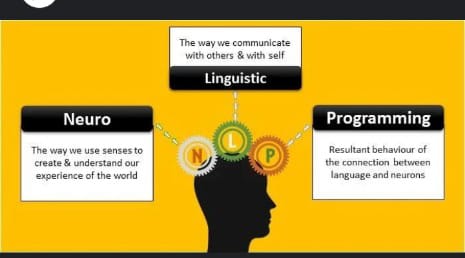
🧠 1. NLP Therapy – 7 Days Program
(NLP = training the brain with words, thoughts, and imagination.)
Day 1 – Identify the Enemy
- Write down 3 negative thoughts you often repeat (example: “I can’t do it,” “I’m lazy”).
- Replace each with a positive version (example: “I am learning,” “I am becoming disciplined”).
Day 2 – Anchor Positivity
- Remember a happy/strong moment.
- Press your thumb and finger together while feeling it.
- Repeat daily → this becomes your “anchor” for positivity.
Day 3 – Change the Movie
- Close eyes, imagine a past mistake as a movie in your mind.
- Make it black & white, push it far away until it disappears.
- Imagine yourself succeeding instead.
Day 4 – Power Words
- Choose 5 strong words like “I am calm, I am focused, I am strong.”
- Say them out loud every morning.
Day 5 – Reframe
- Next time something bad happens, ask:
“What can I learn from this?” instead of “Why me?”
Day 6 – Future Pacing
- Close eyes, imagine yourself 1 year later, free from your inner enemy.
- Feel the confidence and energy.
Day 7 – Daily Ritual
- Spend 5 minutes repeating positive affirmations.
- Smile while doing it (body + words = stronger brain training).
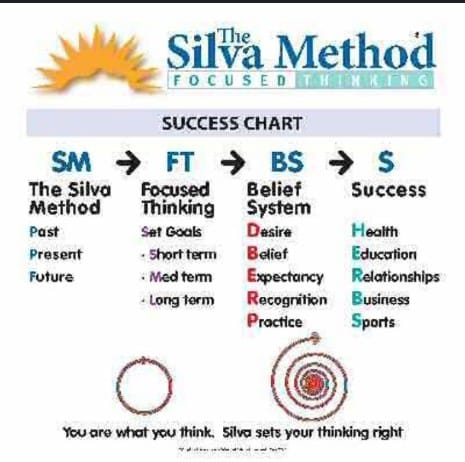
🌙 2. Silva Meditation – 7 Days Program
(A mental training system by José Silva, focusing on deep relaxation and visualization.)
Day 1 – The Alpha Level
- Sit comfortably, close your eyes.
- Count slowly backward from 100 to 1.
- Imagine your mind becoming calm and peaceful.
Day 2 – Relax the Body
- Start from head to toe.
- Say softly: “My head is relaxed, my arms are relaxed…” until whole body is calm.
Day 3 – Mental Screen
- Imagine a big screen in your mind.
- See yourself fighting and defeating your inner enemy (anger, laziness, fear).
Day 4 – Healing Energy
- Place your hands near your heart.
- Imagine white light entering and cleaning negative thoughts.
Day 5 – Problem Solving
- On your mental screen, write down your problem.
- Then imagine the best solution appearing on the screen.
Day 6 – Future Success
- Visualize yourself waking up strong, disciplined, confident.
- Feel the success as if it is happening right now.
Day 7 – Daily Alpha Practice
- Practice 15 minutes morning and evening.
- Count down, relax, visualize positivity.
🌌 3. Hypnosis (Self-Hypnosis) – 7 Days Program
(Hypnosis is deep relaxation where you give positive suggestions to your mind.)
Day 1 – Induction
- Sit quietly, breathe slowly.
- Repeat: “I am going deeper and deeper into calmness.”
Day 2 – Focus Word
- Choose a word like “Calm” or “Peace.”
- Whisper it as you relax into a light trance.
Day 3 – Suggestion
- In a calm state, tell yourself:
“I am stronger than my doubts. My inner enemy is weak.”
Day 4 – Visualization
- Imagine your inner enemy as a dark shadow.
- See yourself shrinking it, and then filling the space with light.
Day 5 – Positive Planting
- While relaxed, repeat 5 times:
“I choose discipline. I choose peace. I choose success.”
Day 6 – Confidence Boost
- Imagine walking into a room with full confidence.
- Feel your body posture, your breathing, your strength.
Day 7 – Daily Habit
- Spend 10 minutes every night in self-hypnosis.
- Repeat your affirmations before sleep → they go deep into your subconscious.
🌟 Final Reflection
- NLP = changes your language and thoughts.
- Silva Meditation = trains your mind to relax and visualize success.
- Hypnosis = goes deep into your subconscious to plant new habits.
If you follow these 3 together, in just 7 days you will feel lighter, calmer, and stronger against your inner enemy.
🌟 21-Day Master Program – Defeat Your Inner Enemy
Week 1: Awareness & Cleansing (Days 1–7)
Focus: Know your inner enemy, calm the mind, start rewiring.
- Morning (NLP + Dua)
- Write 3 negative thoughts you had yesterday. Replace with positive ones.
- Read Dua: “Allahumma inni a’udhu bika min sharri nafsi.”
(O Allah, I seek refuge in You from the evil of my soul.)
- Afternoon (Silva Meditation)
- Sit quietly, count down from 50 to 1.
- Visualize yourself removing black smoke (negative thoughts) from your chest.
- Replace it with white light of peace.
- Evening (Self-Hypnosis)
- Close eyes, breathe deeply.
- Repeat softly: “Every day I am stronger, calmer, and more disciplined.”
- Imagine your inner enemy shrinking small.
Week 2: Building Inner Strength (Days 8–14)
Focus: Install new habits, grow confidence, create inner anchor.
- Morning (NLP + Dhikr)
- Power Words: Say 5 times: “I am strong, I am patient, I am guided.”
- Dhikr: SubhanAllah, Alhamdulillah, Allahu Akbar (33 times each).
- Afternoon (Silva Method)
- Relax body from head to toe.
- Visualize your future self: praying, eating healthy, working with focus.
- Smile and feel it as real.
- Evening (Self-Hypnosis)
- Imagine a safe garden inside your mind.
- In that garden, see yourself defeating your inner enemy.
- Repeat suggestion: “I choose discipline over desire.”
Week 3: Mastery & Transformation (Days 15–21)
Focus: Complete control, spiritual connection, long-term vision.
- Morning (NLP + Dua)
- Future Pacing: Imagine yourself after 1 year, completely free of inner weakness.
- Dua: “Rabbi zidni ‘ilma wa zidni quwwatan.”
(O Lord, increase me in knowledge and strength.)
- Afternoon (Silva Meditation)
- Go into Alpha level (count 25–1).
- Visualize helping others with your strength, inspiring family and friends.
- Feel gratitude deeply.
- Evening (Self-Hypnosis)
- Whisper softly: “I am light, I am peace, I am guided by Allah.”
- Imagine your inner enemy fully gone, your heart filled with Noor (light).
- Fall asleep in this state.
🔑 Extra Daily Practices
- Drink water mindfully → say Bismillah before.
- Eat less processed food → strengthens discipline.
- Walk 15–20 minutes daily → clears negative energy.
- Write one gratitude note every night.
🌿 Expected Results After 21 Days
- Mind becomes calmer and clearer.
- Laziness, anger, cravings reduce.
- Stronger connection to Allah.
- Better self-control and positivity.
- Inner enemy loses power → you feel free and light.

🧘 7-Day Yoga, Diet, Meditation & Mantra Program
Theme: Defeating the Enemy Within
Day 1 – Awareness & Cleansing
- Yoga: Gentle Sun Salutations (5 rounds). Stretch and open body.
- Diet: Warm lemon water in morning, light vegetarian meals, no junk food.
- Meditation: Sit quietly, breathe deep for 10 minutes. Focus on: “Who is my inner enemy today?”
- Mantra: “Om Shanti Shanti Shanti” (Peace, Peace, Peace).
Day 2 – Controlling Desires
- Yoga: Warrior Pose, Tree Pose → builds focus and balance.
- Diet: Fresh fruits, green salad, avoid sugar.
- Meditation: Imagine your desires as waves of ocean, and yourself sitting calmly on the shore.
- Mantra: “Om Namah Shivaya” (I bow to the Higher Self, not my ego).
Day 3 – Overcoming Fear
- Yoga: Camel Pose, Bridge Pose → opens chest, removes fear.
- Diet: Vegetable soup, nuts, and herbal tea.
- Meditation: Breathe in strength, breathe out fear for 10 minutes.
- Mantra: “Om Gum Ganapataye Namaha” (Removes obstacles and fear).
Day 4 – Killing Laziness
- Yoga: Surya Namaskar + Chair Pose (Utkatasana) → energizes body.
- Diet: Eat whole grains (brown rice, oats), drink lots of water.
- Meditation: Visualize yourself working with energy, no excuses.
- Mantra: “Om Hreem Namah” (For energy and motivation).
Day 5 – Ego Control
- Yoga: Child’s Pose, Forward Bend → teaches humility.
- Diet: Simple vegetarian meals, eat slowly, practice gratitude before eating.
- Meditation: See your ego as a balloon. Imagine releasing it into the sky.
- Mantra: “Om Mani Padme Hum” (Compassion and humility).
Day 6 – Self-Love & Forgiveness
- Yoga: Heart-opening poses → Cobra, Bow Pose.
- Diet: Fresh fruits, yogurt, and honey.
- Meditation: Repeat softly: “I forgive myself. I forgive others. I choose peace.”
- Mantra: “So Hum” (I am That – connected with Divine).
Day 7 – Transformation & Light
- Yoga: Combine Sun Salutations + Meditation Pose (Lotus or Easy Sitting).
- Diet: Light fasting or simple vegetarian khichdi (rice + lentils).
- Meditation: Imagine yourself glowing with light, your inner enemy fully gone.
- Mantra: “Om” (the sound of universal truth).
🌸 Why This Works
- Yoga → Makes body strong, clears energy blockages.
- Diet → Yogi food is light and sattvic (pure), keeps mind calm and body clean.
- Meditation → Brings awareness of ego, fear, laziness.
- Mantras → Positive vibrations that reprogram the subconscious mind.
🌟 Final Conclusion – By Shoaib Nasir
Humanity has always searched for enemies outside — armies, nations, systems, poverty, injustice. But the truth is bitter: the greatest enemy lives inside us.
It is not in the bombs, not in the governments, not in the storms of the world — it is in our own soul when it becomes blind with greed, anger, laziness, pride, and fear.
The wars we see outside are only shadows of the war we are losing inside.
- A man who cannot control his ego becomes a tyrant.
- A woman who cannot control her envy becomes a destroyer of peace.
- A society that cannot control its desires becomes a slave of corruption.
If every human being today declared war — not on others, but on his own inner enemy — the world would change overnight. There would be no more blood on streets, no more children crying from hunger, no more broken homes. Because the root of every crime, every injustice, every war… is the enemy within.
Listen carefully:
The day you conquer yourself, no outside power can enslave you.
The day you silence your ego, no dictator can rule you.
The day you kill the inner enemy, humanity will rise like a sun that never sets.
So I say to every man, woman, and child:
👉 Do not point your finger at others. Turn the finger to your own chest.
👉 Do not wait for leaders, saviors, or miracles. Become your own savior.
👉 Do not dream of a better world. Create it by first cleaning your own soul.
This is the last battlefield of humanity. Not the deserts. Not the skies. Not the oceans.
The battlefield is your own heart.
And the victory or defeat of all mankind depends on whether you win against yourself.
🔥 After reading this, the choice is simple:
- Either remain a slave of your inner enemy, and let the world continue to burn…
- Or rise, fight, and win inside yourself — and light the fire of hope for all humanity.
The decision is yours. But remember: history is watching, the future is waiting, and God is listening.
Leave a Reply